









Understanding Self-Recognition in Animals and Humans
Mirror testing is a fascinating method used in psychology and animal behavior research to study self-awareness. It helps scientists understand whether an individual—human or animal—can recognize themselves as separate from others. Over the years, mirror testing has sparked curiosity, debate, and important discoveries about cognition and consciousness.
What Is Mirror Testing?
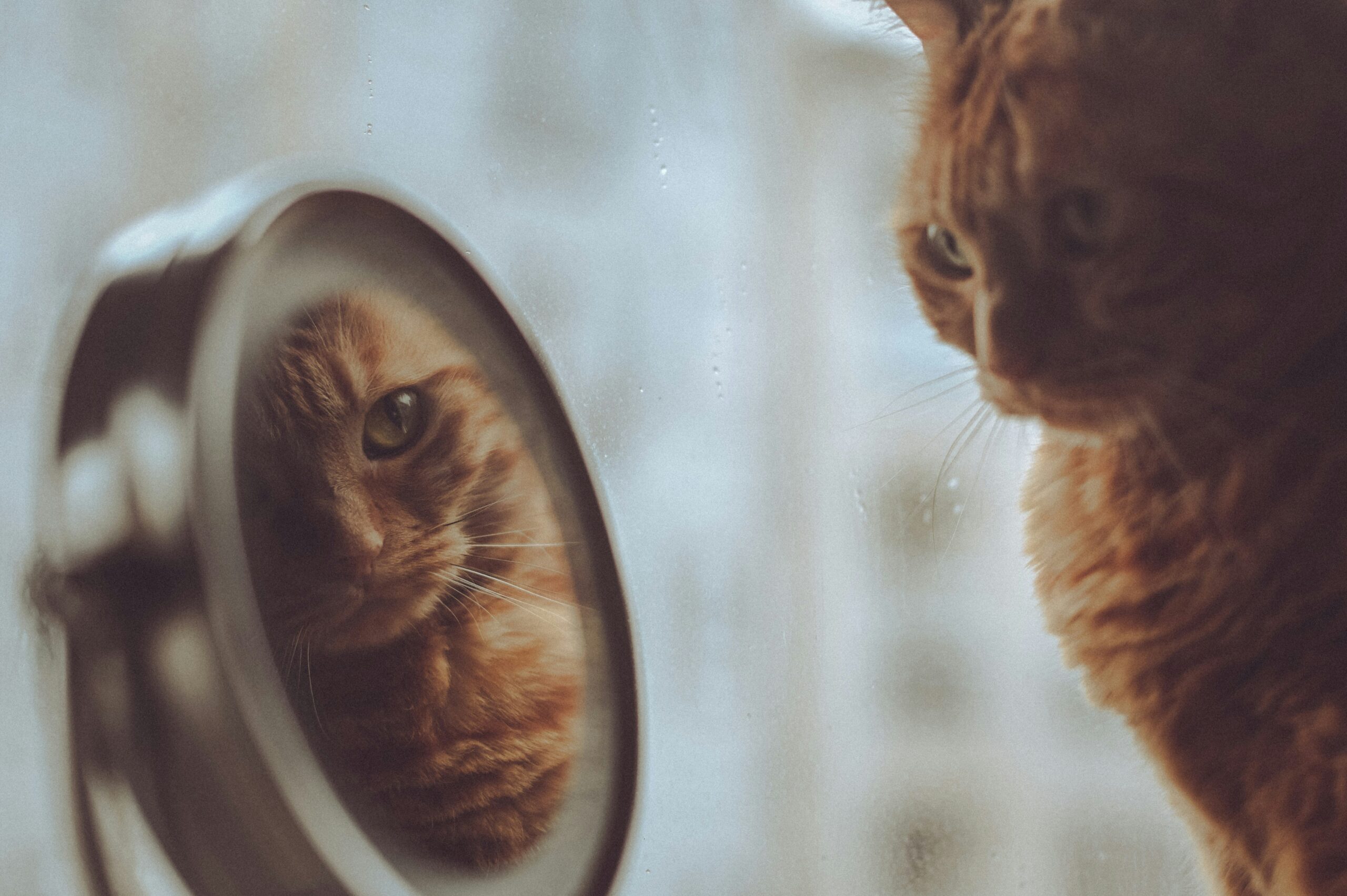
Mirror testing, also known as the mirror self-recognition (MSR) test, is a behavioral experiment designed to determine whether an individual can recognize their own reflection in a mirror. The test typically involves placing a visible mark on a subject’s body in a location they cannot see without a mirror. If the subject uses the mirror to investigate or touch the mark on their own body, it suggests self-recognition.
History of the Mirror Test
The mirror test was first developed in 1970 by psychologist Gordon Gallup Jr. Initially conducted on chimpanzees, the experiment showed that some animals could recognize themselves in a mirror. This discovery challenged long-held beliefs that self-awareness was unique to humans.
How Mirror Testing Works
The mirror-testing process usually follows these steps:
-
The subject is allowed time to get familiar with a mirror
-
A mark is placed on the subject without their awareness
-
Researchers observe the subject’s reaction when they see their reflection
If the subject attempts to examine or remove the mark from their own body, it indicates a level of self-awareness.
Animals That Have Passed the Mirror Test
Only a limited number of species have shown consistent success in mirror testing, including:
-
Humans (typically after 18–24 months of age)
-
Chimpanzees and bonobos
-
Dolphins
-
Asian elephants
-
Magpies
These results suggest that self-recognition is rare and may require advanced cognitive abilities.
Animals That Fail the Mirror Test
Many animals, such as dogs, cats, and monkeys, generally do not pass the mirror test. However, failure does not necessarily mean a lack of intelligence. Some animals rely more on senses like smell or sound rather than vision, which the mirror test heavily depends on.
Criticisms and Limitations of Mirror Testing
Mirror testing is not without controversy. Critics argue that:
-
The test favors visually oriented species
-
It may not accurately measure all forms of self-awareness
-
Cultural and environmental factors can influence results
As a result, researchers often use mirror testing alongside other cognitive assessments.
Importance of Mirror Testing
Mirror testing plays a key role in understanding:
-
The evolution of self-awareness
-
Differences between human and animal cognition
-
Ethical considerations in animal research and welfare
It continues to shape how scientists define consciousness and intelligence.