










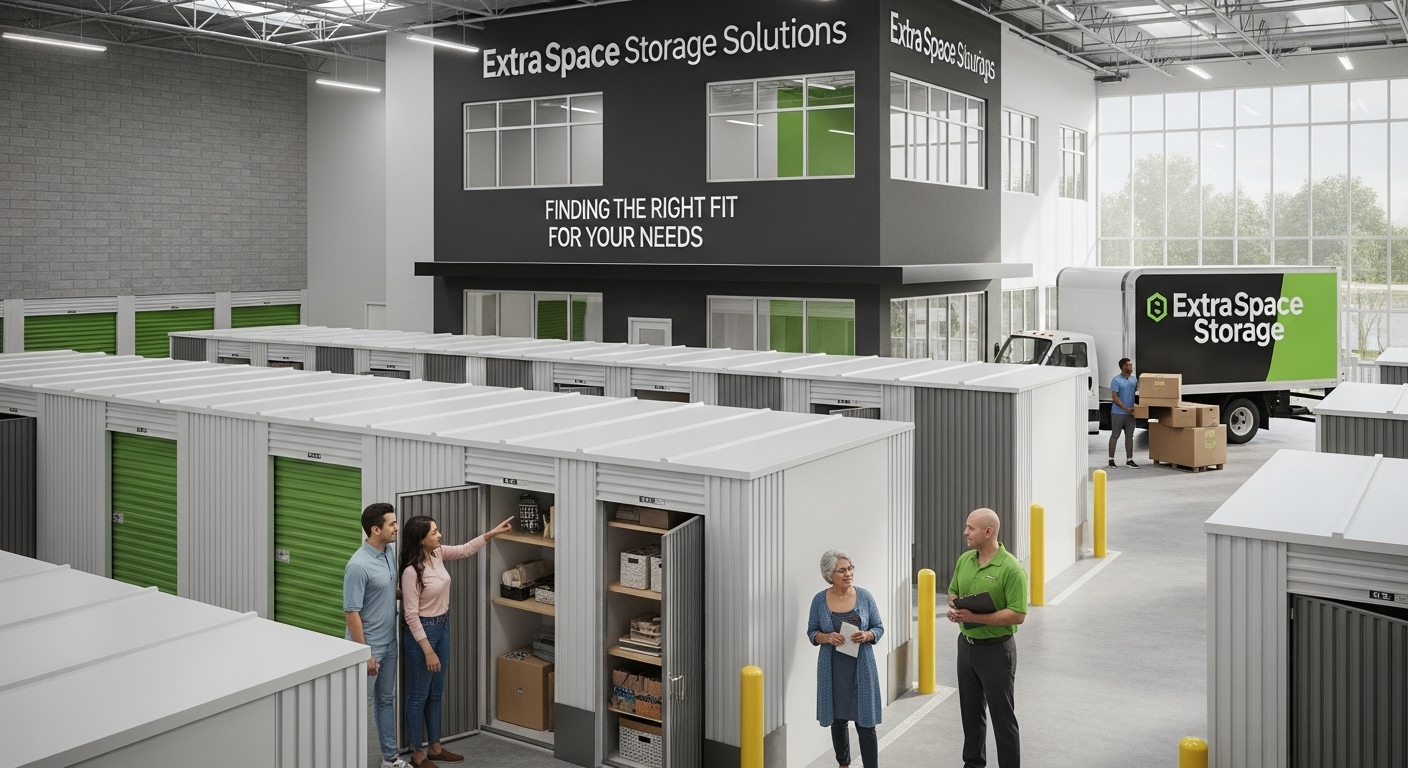
Finding the Right Fit for Your Needs
Are you feeling overwhelmed by clutter? Do you need a place to store your seasonal items, old furniture, or those keepsakes that just don’t fit in your current space? Extra space storage solutions might be exactly what you’re looking for. With various options available today, it’s easier than ever to find the perfect unit tailored to your needs. Whether you’re moving, downsizing, or simply trying to declutter your home, these storage units can provide the breathing room you’ve been craving. Let’s dive into the different types of extra space storage solutions and discover how they can transform your living environment!
Different Types of Solutions
When it comes to extra space storage, options abound. You can choose from various types tailored to your unique needs. Each solution offers its own set of benefits.One popular choice is climate-controlled storage units. These are ideal for items sensitive to temperature and humidity, such as electronics or antique furniture. Maintaining a stable environment helps prevent damage over time.If you’re looking for something more budget-friendly, traditional storage units might be the way to go. They provide basic protection against the elements without the added cost of climate control. This option suits everyday items like boxes of clothes or holiday decorations.For those with larger items like vehicles, boats, or RVs, vehicle storage facilities offer ample room and security measures designed specifically for these assets. This ensures they remain safe when not in use.
Another innovative option is mobile storage containers. These allow you to have a unit delivered right to your location for easy loading and unloading. Once packed up, companies will transport them off-site until you need access again.Specialized self-storage facilities cater to unique needs—think wine cellars or document management services for businesses that require secure archival solutions. Such features ensure that whatever you’re storing has appropriate care and accessibility tailored just for it.
Factors to Consider When Choosing
When choosing extra space storage, location is one of the most critical factors. You’ll want a facility that’s convenient for regular visits. Consider how often you plan to access your items and find a place nearby to save time and effort.Security measures are equally important. Look for features such as gated access, surveillance cameras, and on-site personnel. A secure environment ensures peace of mind knowing your belongings are safe from theft or damage.Next, think about the size of the unit you need. Extra space storage comes in various dimensions; selecting the right size can help you avoid overpaying or cramming too much into a small area. Take an inventory of what you’ll store and choose accordingly.Climate control can be essential if you’re storing sensitive items like electronics, artwork, or documents. Facilities with climate-controlled units maintain stable temperatures and humidity levels to protect your valuables from potential damage caused by extreme weather conditions.
Don’t overlook accessibility options offered by different facilities as well. Some places provide 24-hour access while others operate during specific hours only. Choose based on when you’ll need to retrieve or drop off items.Consider pricing structures and additional fees involved in renting extra space storage units. Compare rates among local providers but also review their terms carefully before signing any agreements to ensure there are no hidden costs lurking around the corner.
How to Optimize and Organize Your Unit
Optimizing and organizing your extra space storage unit is essential for maximizing efficiency. Start by categorizing your items into groups such as seasonal, sentimental, or frequently used. This step saves time when you need to retrieve something.Next, consider using shelving units to create vertical storage. Shelves can help you make the most of limited floor space while keeping your belongings organized and easy to access. Avoid stacking boxes too high; this could lead to accidents or damage.Labeling is crucial in maintaining organization within your unit. Clearly mark each box with its contents and category for quick identification. Use a consistent labeling method so that everything remains cohesive.
Another effective strategy involves utilizing clear bins instead of opaque ones. With transparent containers, you’ll easily spot what’s inside without having to dig through multiple boxes—a real time-saver during retrieval!Always place heavier items on the bottom and lighter ones on top when stacking boxes or bins. This practice not only prevents damage but also ensures stability within your storage area.Maintain a pathway throughout the unit for easier navigation. An organized layout allows you to quickly reach any section without moving numerous items around—making accessing your stored goods hassle-free whenever needed.
IV. Tips for Maintaining Your Extra Space Storage Unit
Maintaining your extra space storage unit is essential for ensuring that your belongings remain safe and accessible. Here are some practical tips to keep in mind.First, make it a habit to visit your unit regularly. This allows you to check on the condition of your items and ensure everything is in order. Even a quick look can help identify any potential issues before they become bigger problems.Next, consider using protective materials for delicate items. Bubble wrap, sturdy boxes, and moisture absorbers can prevent damage from humidity or pests. Always store fragile objects high up or towards the back of the unit where they’re less likely to be bumped or moved.Organizing efficiently also plays a critical role in maintenance. Use labeled bins and shelves to maximize vertical space while keeping things neat. A well-organized unit not only makes retrieving items easier but also helps you avoid unnecessary clutter over time.Make sure you understand what you can and cannot store in your extra space storage facility as well. Items like perishable goods, hazardous materials, or illegal substances should never be stored as they could lead to fines or eviction from your rental agreement.Pay attention to payment reminders and lease agreements so that you’re never caught off guard by fees or changes in policy. A little foresight goes a long way toward maintaining peace of mind regarding your stored possessions.By following these simple yet effective maintenance tips, you’ll ensure that your extra space storage remains an asset rather than a headache down the line.