









Prayer Times in Makkah Al-Mukarramah
Introduction
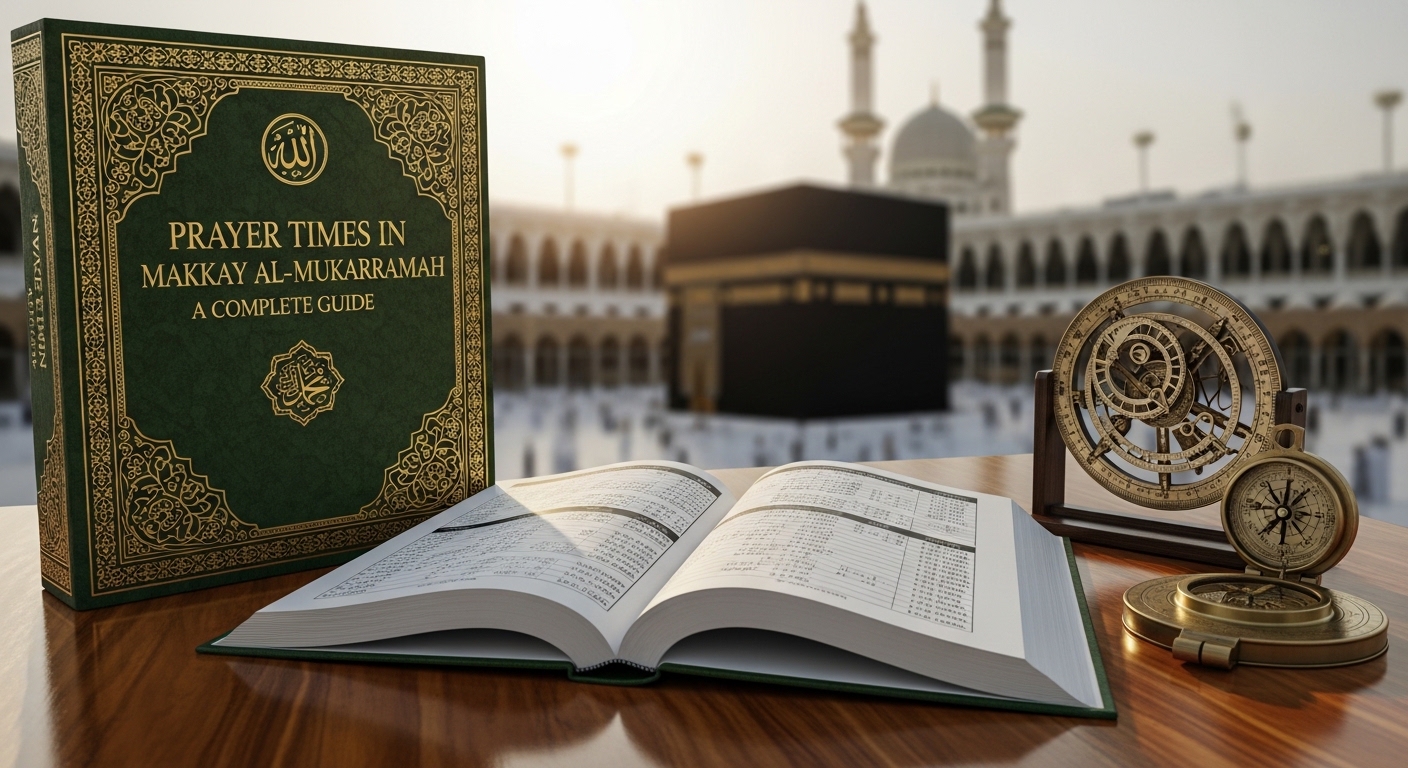
Prayer times in Makkah Al-Mukarramah hold a special spiritual weight for Muslims around the world. As the holiest city in Islam, Makkah is not only the birthplace of Prophet Muhammad (peace be upon him), but also the location of the Kaaba—the center point toward which every Muslim prays. Understanding the timing of prayers in this sacred place is essential for residents, visitors, and millions who follow Makkah’s schedule during Ramadan, Hajj, and daily worship.
The Importance of Prayer in Islam
Salah is one of the Five Pillars of Islam, and observing it at its proper time is a sign of devotion and discipline. Each prayer carries its own spiritual meaning, and in Makkah, the atmosphere intensifies that feeling. With the Masjid al-Haram hosting millions annually, prayer becomes both an act of personal reflection and a collective expression of faith.
How Prayer Times Are Determined in Makkah Al-Mukarramah
Prayer times in Makkah follow the movements of the sun, as established in Islamic tradition. Even though modern technology provides precise measurements, the foundation remains the same. Fajr begins with the first light before sunrise, Dhuhr starts after the sun passes its zenith, Asr begins when an object’s shadow lengthens, Maghrib begins immediately after sunset, and Isha starts when the sky becomes fully dark. These times shift daily due to changes in seasonal daylight.
Why Makkah’s Prayer Times Are So Widely Followed
Many Muslims around the globe look to Makkah’s prayer schedule as a reference point, especially during major Islamic events. During Ramadan, people worldwide wait for the call to prayer from Masjid al-Haram to break their fast in sync with the holy city. Similarly, the Hajj season makes these times even more significant for pilgrims participating in rituals tied closely to the prayer timings.
Fajr: The Prayer of Dawn
Fajr in Makkah is especially serene. As the sky begins to lighten, the call to prayer echoes between the mountains and the vast courtyards of the Grand Mosque. This prayer marks the beginning of a new day and encourages worshippers to reflect, seek forgiveness, and start their morning with clarity and peace. In Islamic teachings, Fajr carries immense blessings, and performing it on time is a mark of strong faith.
Dhuhr: The Midday Pause
Dhuhr prayer begins after the sun has passed its highest point in the sky. Despite the heat that often characterizes Makkah’s afternoons, thousands gather inside Masjid al-Haram to pray. This prayer symbolizes a moment to pause, disconnect from worldly tasks, and realign oneself with the purpose of life. In the hustle of daily responsibilities, Dhuhr is a reminder that worship remains at the center of a Muslim’s day.
Asr: The Afternoon Reflection
Asr is prayed during the latter part of the afternoon. Its timing often shifts more noticeably throughout the year because the angle of the sun changes. In Makkah, Asr represents a transition between the busy part of the day and the more spiritual evening hours. Many Muslims consider Asr a prayer that tests one’s commitment, as it occurs when people are deep in work or activities.
Maghrib: The Moment of Sunset
Maghrib begins immediately after the sun sets. In Makkah, this moment is striking. The sky glows in shades of orange and purple, and the sound of the adhan spreads throughout the city. Maghrib is short but deeply meaningful, marking the end of the day. During Ramadan, it becomes even more emotional, as fasting pilgrims break their fast and pray together in unity.
Isha: The Night Prayer
Isha prayer begins when darkness settles. In Makkah, Isha is often followed by long periods of worship, Quran recitation, and peaceful reflection. Many pilgrims prefer to stay in Masjid al-Haram late into the night, especially during the last ten nights of Ramadan. The tranquility of Isha allows worshippers to end their day with a clear heart and renewed faith.
Tools to Track Prayer Times in Makkah Al-Mukarramah
Thanks to modern technology, staying updated with the exact prayer times in Makkah is simple. Many mobile apps, Islamic websites, and smart devices provide accurate daily schedules. Travelers especially benefit from these tools because time differences can make it challenging to follow Makkah’s timings. Locals often rely on the mosque’s adhan, but digital tools ensure precision for anyone located outside the city.
The Spiritual Atmosphere of Makkah During Prayers
Praying in Makkah is an experience like no other. The moment the adhan begins, the entire area around the Grand Mosque fills with movement as worshippers align themselves toward the Kaaba. Millions pray shoulder to shoulder throughout the year, creating a sense of unity and equality. The energy during prayer times—especially Fajr, Maghrib, and Isha—is often described as transformative and profoundly peaceful.
Prayer Times During Hajj in Makkah Al-Mukarramah
Hajj brings an extraordinary rhythm to prayer times. While the prayers themselves follow the same schedule, the number of people performing them increases dramatically. Pilgrims gather not only in Masjid al-Haram, but also in Mina, Arafat, and Muzdalifah. Each location has its own spiritual significance, and prayer becomes an essential part of the rituals. The unity and devotion seen during these days show the depth of Islamic brotherhood.
Seasonal Variations in Makkah Prayer Times
Though Makkah’s climate is warm year-round, daylight hours still change slightly between seasons. In summer, days are longer, so Fajr comes earlier and Isha later. In winter, the opposite occurs, leading to closer prayer intervals. These shifts make it important for Muslims—especially visitors—to check updated schedules regularly.
Conclusion
Prayer times in Makkah Al-Mukarramah are more than just moments on a clock; they’re a spiritual heartbeat for millions. Each prayer carries deep meaning, and in a city built around worship, these moments become powerful experiences. Whether you’re a pilgrim standing near the Kaaba or someone following the holy city’s schedule from afar, the prayer timings of Makkah connect you to a universal rhythm of faith, devotion, and reflection.