










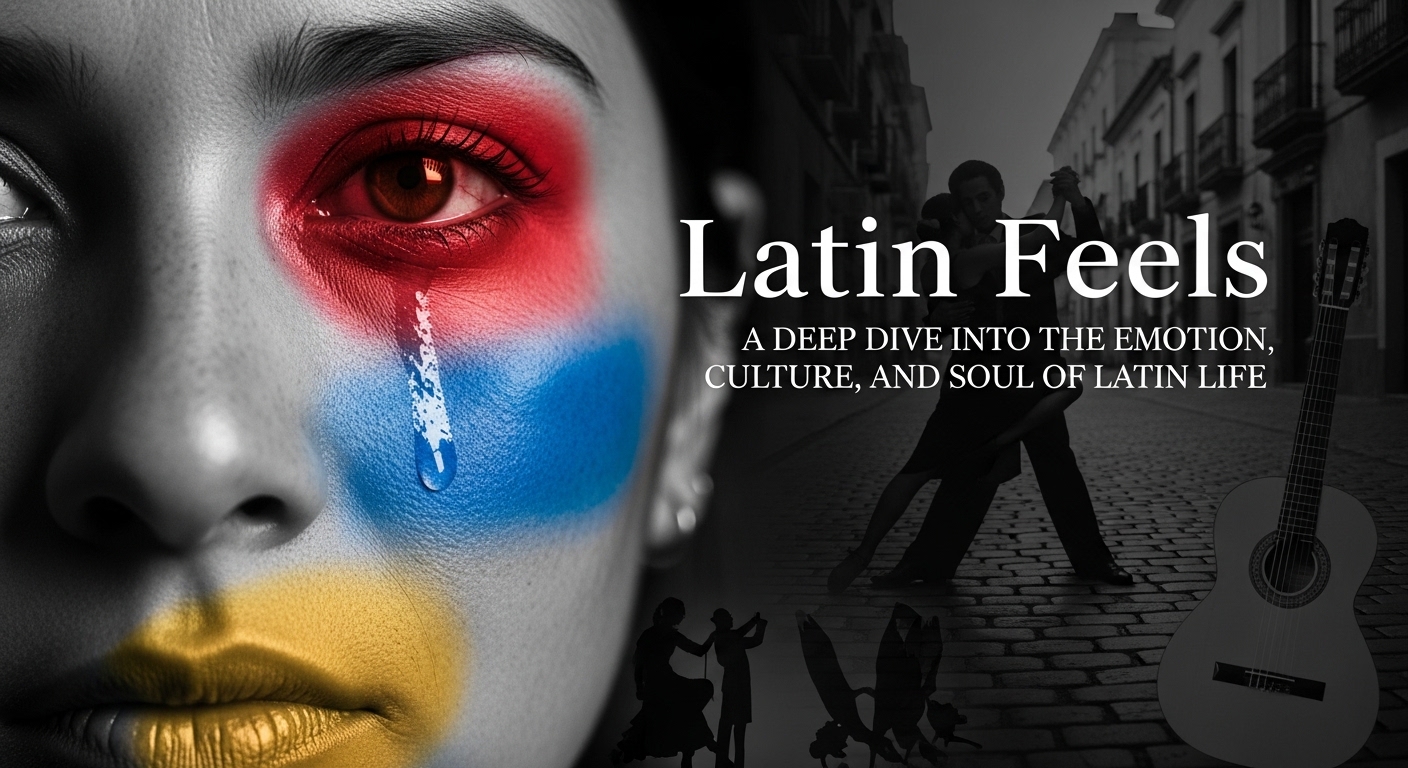
Latin Feels: A Deep Dive Into the Emotion
When people talk about “Latin feels,” they’re rarely referring to one single emotion. It’s more like a spectrum—warmth, nostalgia, joy, longing, rhythm, and a uniquely expressive way of experiencing life. Latin culture has a heartbeat that pulses through its music, food, community values, and storytelling traditions. These emotional patterns didn’t just appear overnight; they’ve evolved over centuries, shaped by indigenous roots, colonial influences, African heritage, and generations of migration, resilience, and creativity. “Latin feels” is an entire identity wrapped in emotion, and the best way to understand it is to unpack the spaces where these feelings live.
The Warmth That Defines the Culture
Warmth is the first emotion most people associate with Latin culture. It’s in the greetings, the laughter, the hospitality, and even the way people talk with their hands. Latin warmth is not soft or shy—it’s loud, open, and deeply human. It’s the type of emotional expression where affection isn’t hidden; it’s offered freely, as if there’s no reason to hold back. This emotional openness comes from cultural values rooted in community and family, where connection is a necessity, not a luxury. In this environment, feelings aren’t just acknowledged—they’re shared.
La Nostalgia: The Heart’s Constant Companion
Nostalgia is practically a second language in Latin communities. There’s a bittersweet flavor to it—missing home, remembering childhood aromas from the kitchen, thinking about old neighborhoods, or longing for traditions that change over time. For many who live outside their home countries or come from immigrant families, nostalgia becomes a bridge. It connects the past with the present, and it reminds people of who they are. This emotional layer is so common that you’ll hear it in songs, jokes, and even casual conversations. It’s a gentle heaviness that Latin people carry with pride.
Passion as a Lifestyle, Not a Mood
Passion is more than romance. In Latin culture, it shows up in the way people argue, love, work, and celebrate. Everything is done with intensity and purpose. This is partly because communication styles emphasize sincerity and directness—when you feel something, you show it. This passion doesn’t mean drama; it means living energetically, expressing emotions loudly, and embracing life without restraint. It’s the fire behind the art, the music, the dancing, and the storytelling.
Music: The Emotional DNA
Music is the deepest expression of “Latin feels.” Rhythm isn’t entertainment—it’s identity. Whether it’s slow romantic ballads, energetic dance rhythms, or soulful acoustic melodies, Latin music always carries emotional truth. The lyrics often talk about love, heartbreak, longing, family, and pride. Even upbeat songs echo emotional stories beneath the beat. Music becomes a form of emotional release, where joy and sadness blend together in a way only Latin culture seems to master.
Family: The Core of Emotional Life
Family sits at the center of Latin emotional experience. It shapes values, traditions, celebrations, and the entire social structure. Multigenerational households, tight-knit cousins, family gatherings every weekend—these aren’t just cultural habits; they’re emotional anchors. Family creates security, stability, and community. It teaches the emotional vocabulary people use for the rest of their lives. Whether you’re near or far, family remains the emotional foundation of Latin identity.
Community Ties That Bind
Beyond family, there’s a broader community bond that defines Latin life. Neighbors aren’t distant; they often feel like extended family. Celebrations, festivals, and local traditions create shared emotional spaces that bring people together. Community becomes a refuge, a place to be seen and understood. This sense of belonging feeds into the “Latin feels” experience, making emotional expression easier and more accepted.
Love: Honest and Unfiltered
Love in Latin culture is expressive, direct, and enthusiastic. Compliments flow easily, romantic gestures are bold, and emotions are rarely hidden. Whether it’s a love for a partner, family, or even a place, Latin love is vivid and full of texture. It’s not shy or reserved; it’s open-hearted. This kind of love reinforces emotional connection and strengthens identity, shaping how Latin people express affection across every area of life.
Food as Emotional Memory
Latin cuisine is not just about taste—it’s storytelling. Every dish holds memory, tradition, and emotion. Food is tied to family gatherings, celebrations, and comfort during difficult times. Cooking becomes a way to show love, and sharing food becomes an act of community. The emotional connection to food is strong because it carries generational history, making every bite feel like home, even if you’re miles away.
Language: Emotional Expression in Sound
The Spanish and Portuguese languages help shape the emotional patterns behind “Latin feels.” The sound, rhythm, and structure of these languages make expressive communication easier. Conversations are animated, storytelling is melodic, and even everyday phrases can carry emotional depth. Words become tools for affection, humor, and comfort. The way Latin people speak isn’t just linguistic—it’s cultural emotion shaped by sound.
Resilience Through Emotion
“Latin feels” wouldn’t be complete without acknowledging resilience. Latin history includes struggle, migration, and adaptation. This resilience is emotional as much as it is practical. People rely on family, music, humor, and tradition to navigate challenges. This emotional strength is a defining feature of Latin identity, turning hardship into storytelling, community-building, and cultural pride.
Celebration as Resistance and Joy
Festivals, parties, and community gatherings aren’t just about fun—they’re about survival, identity, and emotional renewal. Celebrations turn ordinary days into emotional events. Music, dancing, laughter, and food come together to create shared emotional energy. There’s a sense of collective joy that feels uniquely Latin—an ability to turn life’s ups and downs into reasons to celebrate.
Memory, Migration, and Identity
For many Latin families, migration is a core part of identity. Moving to new countries, learning new languages, and adapting to different cultures all create emotional complexity. But this journey also intensifies the meaning of home, heritage, and community. “Latin feels” becomes a blend of pride, nostalgia, adaptation, and hope. It’s the emotional landscape of people who carry home in their hearts, no matter where they go.
Humor: The Emotional Release Valve
Latin humor is expressive, playful, and full of clever wordplay. It’s used to lighten serious conversations, soften hardships, and strengthen bonds. Jokes flow easily in social settings, and teasing is often a sign of affection. This humor isn’t superficial—it’s a cultural tool for emotional survival. It turns pain into laughter, and it reinforces community ties.
Spirituality and Inner Emotion of Latin Feels
Spirituality occupies an emotional corner of Latin identity. Whether it’s traditional religion, ancestral practices, or cultural rituals, spirituality adds emotional depth. It influences how people navigate grief, hope, celebration, and purpose. These rituals and beliefs become emotional maps, guiding people through life’s transitions and strengthening cultural identity.
The Latin Way of Feeling the World
Ultimately, “Latin feels” is about fullness—full emotion, full expression, full connection. It’s about allowing yourself to feel everything deeply instead of holding it back. Emotions are not weaknesses; they’re part of the cultural heartbeat. This openness creates a life where joy feels brighter, nostalgia feels deeper, and love feels bigger.
Conclusion: The Emotion That Shapes Identity
“Latin feels” is the emotional signature of a culture rich in history, resilience, connection, and passion. It’s the warmth of family, the rhythm of music, the spice of food, the weight of nostalgia, and the vibrancy of everyday interactions. These emotions build identity, strengthen communities, and keep traditions alive. Understanding “Latin feels” is understanding the soul of Latin culture itself—a soul that embraces life with open arms and a full heart.