










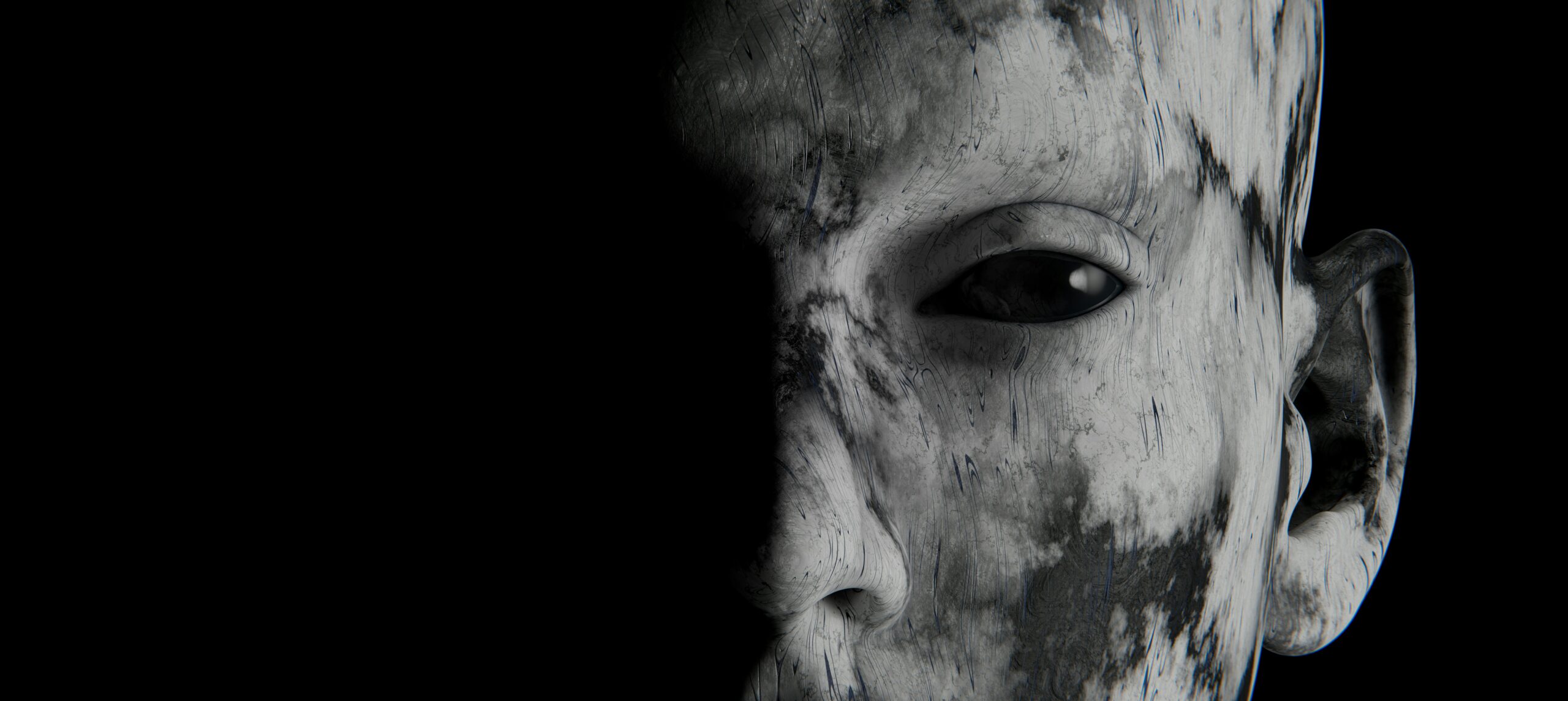
Introduction to Count Orlok
Count Orlok is a fictional vampire character best known as the central antagonist in the 1922 silent horror film Nosferatu: A Symphony of Horror. Created by German filmmaker F. W. Murnau, Count Orlok is widely regarded as one of the most terrifying figures in early cinema. Unlike the charming and seductive vampires seen in later films, Orlok embodies pure dread, decay, and death.
Origins of the Character
Count Orlok was inspired by Bram Stoker’s. However, due to copyright issues, the filmmakers changed names and certain details. Despite these alterations, the similarities were unmistakable. Orlok serves as Nosferatu’s version of Count Dracula, though his appearance and behavior set him apart dramatically.
The character was portrayed by actor Max Schreck, whose eerie performance
fueled rumors that he might be a real vampire—a testament to how convincing and unsettling the role was.
Physical Appearance and Traits
One of the most striking aspects of Count Orlok is his grotesque appearance. He is bald, gaunt, and corpse-like, with elongated fingers, pointed ears, and sharp teeth. His hunched posture and slow, deliberate movements add to his nightmarish presence.
Unlike later vampire portrayals, Count Orlok lacks charm or romance. He represents disease, fear, and death, often associated with plagues and decay. His shadow—creeping along walls and staircases—has become one of the most iconic visual motifs in horror history.
Symbolism and Themes
Count Orlok is more than just a monster; he is a symbol of deeper societal fears. Many scholars interpret him as a representation of death, foreign invasion, or epidemic illness, reflecting anxieties in post–World War I Europe. His arrival often coincides with sickness and mass death, reinforcing his role as a harbinger of doom.
Cultural Impact and Legacy
Despite legal challenges that nearly destroyed Nosferatu, Count Orlok survived to become a cornerstone of horror cinema. The character influenced countless vampire depictions and helped establish visual storytelling techniques that are still used today.
Orlok has appeared in remakes, adaptations, and homages, including Nosferatu the Vampyre (1979) and Shadow of the Vampire (2000). His image remains instantly recognizable and deeply influential.
Count Orlok vs. Dracula
While Dracula is often portrayed as charismatic and seductive, Count Orlok is animalistic and terrifying. This contrast highlights two different interpretations of vampirism: one rooted in dark romance, the other in raw horror. Many fans argue that Orlok’s disturbing nature makes him the more frightening of the two.