










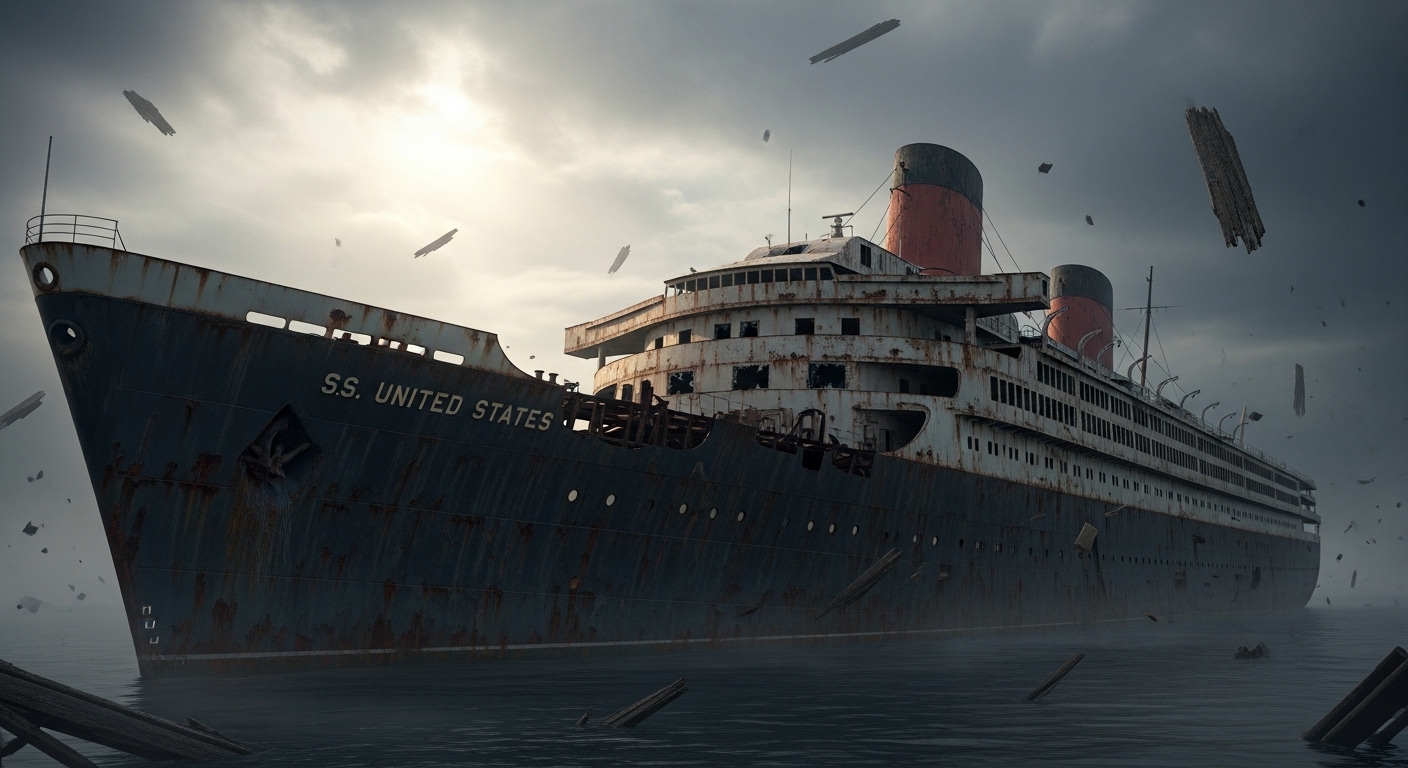
The Untold Story of the SS United States
The SS United States is a name that evokes images of grandeur, speed, and the golden age of ocean travel. Launched in 1952, this magnificent liner was once the pride of American shipbuilding—a symbol of luxury that carried celebrities and dignitaries across the Atlantic. Yet today, she sits languishing in decay, a haunting reminder of what once was.But how did this floating palace transition from being an icon to a rusting relic? The story of the SS United States is one filled with triumphs and tragedies. From her innovative design and opulent interiors to her decline in commercial service, each chapter reveals layers of intrigue. This blog will take you on an unforgettable journey through time—uncovering secrets behind her construction, her cultural impact, and what lies ahead for this maritime legend. So grab your life jacket as we set sail into the untold story of the SS United States!
Development and Features of SS United States
The SS United States was a marvel of mid-20th century engineering. Designed by the renowned naval architect William Francis Gibbs, her construction was revolutionary. The ship’s hull featured a sleek and narrow design that allowed for remarkable speed and efficiency in the water.Constructed primarily from aluminum, she was remarkably lightweight compared to other ocean liners of her time. This choice not only enhanced her speed but also contributed to fuel efficiency—a vital consideration during an era marked by rising oil prices. With a length of 1,032 feet, she held the record as the largest passenger ship ever built in America.
Equipped with state-of-the-art technology, including advanced radar systems and stabilizers, the SS United States prioritized safety alongside luxury. Her powerful engines enabled her to reach speeds exceeding 35 knots—making her one of the fastest ocean liners ever constructed.Additionally, innovative features like watertight compartments ensured that even if disaster struck, survival remained possible. These cutting-edge developments showcased not just ambition but a commitment to redefining transatlantic travel forever.
Interior Design and Class System
The interior design of the SS United States was a masterclass in luxury and sophistication. From the moment passengers stepped on board, they were enveloped in an atmosphere that blended elegance with comfort. The ship featured sleek lines and modern aesthetics, showcasing mid-century design at its finest.Different classes aboard the SS United States offered distinct experiences. First-class travelers enjoyed lavish suites adorned with fine fabrics and bespoke furnishings. Each room provided stunning ocean views through large windows, ensuring a memorable voyage from start to finish.
In contrast, those traveling in tourist class experienced a different ambiance but still benefited from thoughtfully designed spaces. Colorful decor and communal areas fostered social interaction among guests while maintaining an air of style throughout the vessel.This deliberate division reflected not just functionality but also societal norms of the time. The class system shaped passenger interactions as well as their overall experience aboard one of history’s most iconic ocean liners. Even now, tales of opulence versus simplicity continue to capture imaginations around this legendary ship.
Commercial Service to Decline of SS United States
The SS United States was once the epitome of luxury travel. Yet, as the 1960s rolled in, changes shook the maritime industry. Air travel surged in popularity, offering faster and often cheaper options for long-distance journeys. The golden age of transatlantic ocean liners began to fade into memory.As airlines expanded their routes and improved services, passengers sought convenience over grandeur. The allure of crossing oceans on a majestic ship lost its charm against the backdrop of jet engines and airport terminals. This shift put immense pressure on iconic vessels like the SS United States.
By 1969, after only 17 years in service, she faced cancellation of her scheduled crossings due to dwindling bookings. Competition from airliners left her sitting idle while newer ships joined the fray with modern amenities that catered to evolving passenger preferences.Despite her unmatched speed and elegance, financial viability became an insurmountable challenge. Gradually, this magnificent vessel transitioned from being a symbol of opulence to one marked by uncertainty as commercial fortunes spiraled downward.
The Untold Journey: Layup and Conversion
After her final voyage in 1969, the SS United States faced an uncertain fate. The once-majestic liner was anchored at a dock in Philadelphia. Years of glory had transformed into a period of neglect. As time passed, she became a shadow of her former self.During the layup years, various proposals emerged for her future. Some envisioned converting this iconic ship into a floating hotel or museum, capturing the rich history she represented. Others suggested scrapping her entirely to reclaim valuable materials from her structure.
Despite these ideas swirling around like ghosts on the water, none came to fruition. The vessel sat idle and slowly deteriorated under layers of rust and grime. Each passing year added to the sadness surrounding her legacy.In recent decades, there has been renewed interest in preservation efforts aimed at saving the SS United States from oblivion. Conservationists and enthusiasts alike rallied together to advocate for restoration projects that could breathe new life into this legendary ship while honoring its storied past.
Speed Records and Cultural Impact in SS United States
The SS United States was more than just a luxury liner; it became an icon of speed and innovation. Launched in 1952, she shattered transatlantic records on her maiden voyage, crossing the Atlantic in just three days, ten hours, and forty-one minutes. This feat not only solidified her status but also showcased American engineering prowess during the post-war era.Her sleek design and powerful propulsion system contributed to this remarkable speed. Powered by four turbocharged engines, she could reach speeds that left other ocean liners in her wake. The excitement surrounding these achievements captured the public’s imagination and drew attention to maritime travel as an exhilarating experience.
Beyond mere numbers, the SS United States influenced culture significantly. She appeared in films and television shows of the time, becoming synonymous with glamour and adventure at sea. Celebrities flocked aboard for glamorous parties while artists found inspiration within her walls.As a symbol of freedom and exploration, she represented dreams of travel that resonated deeply with Americans eager to connect with Europe after World War II. The ship’s legacy is etched into history books as both a marvel of technology and a cultural beacon.
From Restoration to Reef: The Future of SS United States
The SS United States has had a tumultuous journey, transforming from an iconic symbol of luxury to a vessel that rests in limbo. For years, there have been discussions surrounding its restoration. Enthusiasts and preservationists envision bringing her back to her former glory as a floating museum or cultural hub.However, the challenges are immense. The cost of restoration is astronomical, and funding remains elusive despite passionate campaigns. Meanwhile, time continues to take its toll on this magnificent ship anchored in Philadelphia.
There’s also the option of sinking her intentionally to create an artificial reef—a fate many historic naval vessels have faced. This would provide new life for marine ecosystems but marks the end of any hope for revival as a passenger liner or tourist attraction.As debates continue about whether she should be salvaged or submerged, one thing remains certain: the legacy of the SS United States will endure regardless of how her story unfolds next. Whether she serves as a monument to maritime history above water or contributes to ocean life below it may well determine how future generations remember this once-grand ship.