










Introduction
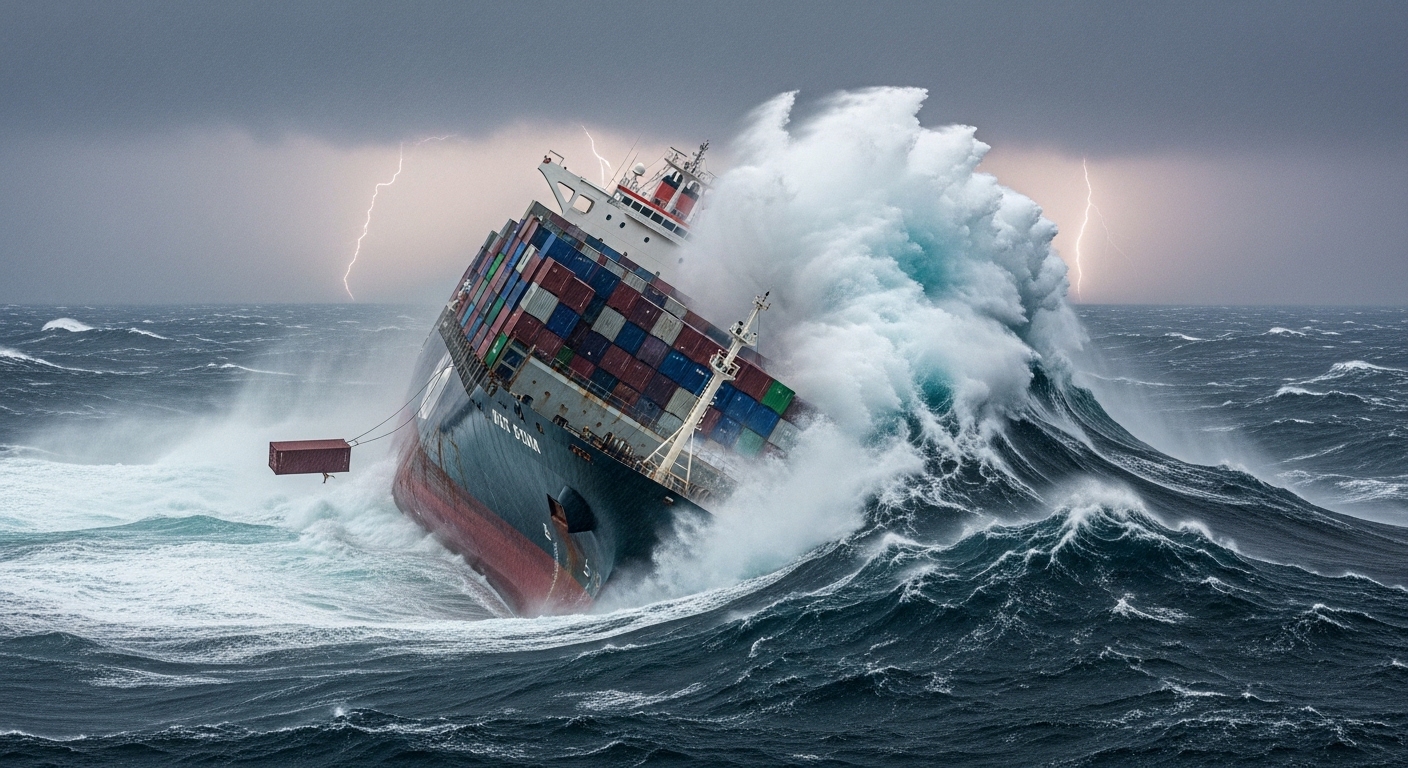
Heavy seas are one of the most dramatic and intimidating displays of the ocean’s raw energy. To anyone who has ever witnessed towering waves crashing over a vessel’s bow, the term instantly evokes images of turbulent waters, fierce winds, and unpredictable conditions. Yet heavy seas are far more than just rough waves—they are the result of complex interactions between the atmosphere, the ocean, and sometimes even the seafloor. Understanding how heavy seas form, what dangers they pose, and how mariners handle them offers insight into both the beauty and power of Earth’s oceans.
What Are Heavy Seas?
Heavy seas refer to large, powerful, and often chaotic waves that develop as wind transfers energy to the surface of the ocean. These seas can appear during storms, strong wind events, or even long after rough weather has passed, as swells continue to travel across vast distances. In maritime terminology, heavy seas typically describe wave heights that significantly hinder navigation, disrupt stability, or threaten the safety of smaller or even mid-sized vessels. This state of the sea can include breaking waves, steep swells, confused seas from intersecting wave systems, and rapid changes in surface conditions.
How Heavy Seas Form
Heavy seas are shaped by several atmospheric and oceanic factors. The most influential element is wind—its strength, duration, and the distance it travels across open water (known as fetch). The longer and stronger the wind blows, the more energy transfers into the water, building higher and more powerful waves. Pressure changes in weather systems, particularly within storms or cyclones, also contribute to extreme sea states. When low-pressure systems intensify, they pull surface winds into tight spirals, creating waves that can grow rapidly within hours.
Additionally, ocean currents can amplify wave heights. When a strong current flows opposite to the direction of waves, those waves become steeper and more dangerous. This phenomenon can create notorious sea conditions in areas like ocean current boundaries, narrow straits, or continental shelf edges. Even far from storms, long-period swells can arrive unexpectedly, making the ocean feel deceptively powerful despite clear skies.
Different Types of Waves in Heavy Seas
Heavy seas aren’t uniform. They can include a mix of wave types that overlap, collide, or amplify one another.
Wind Waves
Formed by local winds, these waves grow quickly and are often steep and chaotic. They dominate sea conditions during storms.
Swells
Swells are waves that have traveled long distances from their origin. They often have longer wavelengths and smoother shapes, but in heavy seas, even swells can reach impressive heights.
Rogue Waves
These are extreme, unexpected walls of water that rise far above surrounding waves. Though rare, they can exceed 20 meters and pose a severe danger to even large ships.
Cross Seas
When waves from different directions intersect, the sea surface becomes unpredictable. Cross seas can cause violent rolling motions in vessels, making navigation challenging and hazardous.
The Dangers of Heavy Seas
is one of the most difficult tasks for mariners, and the risks are numerous. The pounding force of large waves can damage hulls, decks, and equipment. Water washing over the bow can overload the ship, reduce stability, or flood essential compartments. Heavy rolling and pitching make it difficult for crew to move safely, perform duties, or maintain control of machinery.Communication and navigation systems may also suffer under such conditions. Satellite signals can weaken, antennas can be damaged, and visual navigation becomes nearly impossible when wave crests obstruct the horizon. Small vessels risk capsizing, while larger ships may experience structural stress that tests their limits. The unpredictability of wave height and direction in heavy seas raises the stakes even further, especially when storms accelerate the formation of hazardous waves.
Impact on Marine Life and Coastal Areas
While heavy seas primarily challenge vessels, they also play a role in shaping the marine environment. Strong wave activity can stir nutrient-rich waters from the deep, enhancing feeding opportunities for marine life. At the same time, powerful waves can disrupt shallow ecosystems such as coral reefs or kelp forests by breaking fragile structures or altering sediment distribution.Heavy seas also influence coastal erosion. When large waves crash against shorelines, they can rapidly reshape beaches, cliffs, and coastal formations. During major storm systems, heavy seas often contribute to storm surges, pushing water inland and increasing the risk of flooding in nearby communities. Over time, these energetic sea states leave lasting marks on coastlines, altering habitats and human infrastructure alike.
Historical Encounters With Heavy Seas
Throughout maritime history, countless voyages have been defined—or ended—by encounters with heavy seas. Ancient explorers feared the wrath of storm-driven waves, and even modern vessels with advanced navigation systems remain vulnerable. Historical records and sailor accounts often describe terrifying scenes of masts breaking, decks flooding, and crews fighting to maintain control as towering waves battered their ships. have also inspired literature, folklore, and nautical tradition. Sailors once attributed monstrous waves to mythical sea creatures or supernatural forces before science provided a clearer explanation. Today, these stories live on as reminders of a time when the ocean’s unpredictability felt even more mysterious and overwhelming.
Modern Technology and Heavy Seas
Advancements in meteorology, satellite imaging, and ocean monitoring now allow for more accurate predictions of heavy seas. Weather agencies track wind patterns, pressure systems, and ocean temperatures to forecast when and where rough seas may develop. Radar and buoy systems provide real-time data on wave height, frequency, and direction, helping ships plan safer routes.Despite these improvements, predictions aren’t perfect. Weather can change rapidly, and remote ocean regions still pose challenges for data collection. Mariners must remain vigilant and prepared, even when forecasts seem reliable. Modern ships benefit from stronger materials and design innovations that improve stability, but no vessel is immune to the force of extreme ocean conditions.
How Sailors Navigate Heavy Seas
Navigating heavy seas requires skill, experience, and a deep understanding of how waves interact with vessels. Captains often adjust course to meet waves at an angle that reduces stress on the ship. Depending on the vessel type, the safest approach may involve taking waves head-on, moving diagonally, or even slowing down significantly to avoid pounding impacts.Crew preparation is also essential. Loose equipment is secured, watertight doors are sealed, and communication systems are double-checked. On deck, safety lines and harnesses protect crew members from being swept overboard. Inside the ship, careful coordination ensures machinery continues operating smoothly despite the ship’s violent motion.In some cases, sailors may choose to ride out the storm in a controlled drift or heave-to position, allowing the vessel to maintain stability while minimizing stress. These techniques reflect centuries of maritime knowledge adapted to modern conditions.
Heavy Seas and Recreational Boaters
While commercial mariners often face as part of their profession, recreational boaters can encounter them unexpectedly. Sudden wind shifts, distant storm swells, or strong tidal currents can transform calm waters into hazardous conditions in a short time. For smaller boats, even moderate heavy seas pose a serious risk.Recreational boaters are advised to check weather forecasts, tide charts, and sea-state reports before setting out. Understanding the limitations of their vessel and maintaining proper safety gear—such as life jackets, radios, and navigation tools—makes a significant difference during unexpected rough conditions. Education and preparedness remain the best defenses against the dangers of heavy seas.
Environmental and Climate Connections
Climate change may influence the frequency and intensity of heavy seas. Rising ocean temperatures contribute to stronger storms and more energetic atmospheric patterns, which in turn can fuel the development of larger waves. Melting ice caps and shifting wind systems also play a role in altering global wave behavior.Scientists continue to study these connections, analyzing long-term trends in wave height and storm activity. Understanding how heavy seas evolve in a changing climate is crucial for coastal planning, maritime safety, and environmental protection.
Conclusion
Heavy seas stand as a powerful reminder of the ocean’s vast and untamed nature. Whether encountered by seasoned sailors, studied by scientists, or witnessed from the safety of the shore, these turbulent waters highlight the delicate balance between beauty and danger in marine environments. By understanding how heavy seas form, recognizing their risks, and respecting their power, we can better appreciate the complexity of Earth’s oceans and the skill required to navigate them safely. As technology advances and our knowledge deepens, one truth remains constant: the sea, especially in its heaviest moods, demands our respect.