








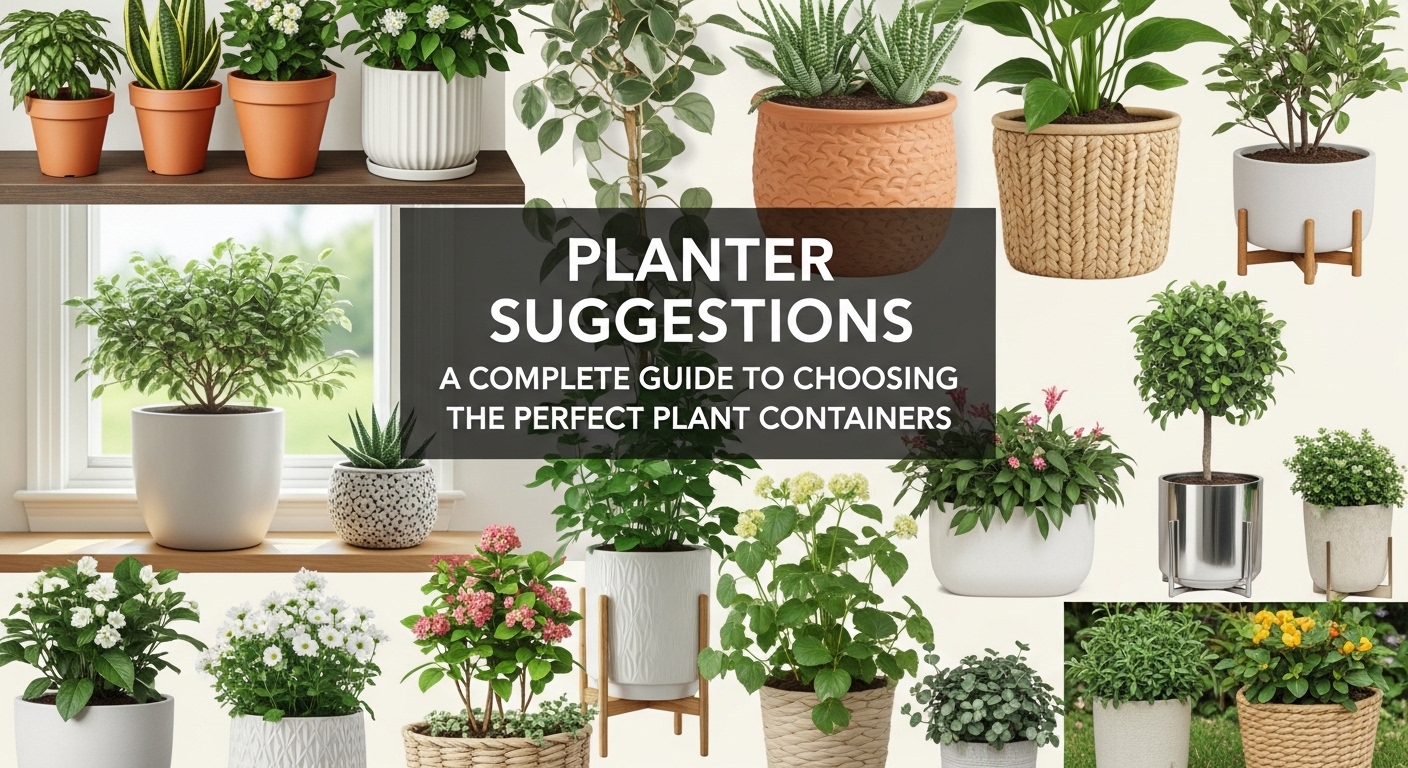
Planter Suggestions: A Complete Guide to Choosing the Perfect Plant Containers
Creating a beautiful plant display starts with one simple choice: the planter. Whether you’re working with a sunny balcony, a cozy living room, or a sprawling backyard, the right planter can bring life, personality, and structure to your plants. With so many materials, styles, and shapes available, it can feel overwhelming to decide what’s best. This guide walks you through practical planter suggestions to help you select containers that elevate your space while keeping your plants healthy and thriving.
1. Understanding the Role of Planters
Planters do more than hold soil. They influence plant growth, control moisture levels, and add texture and visual appeal to your environment. A good planter enhances both your décor and the overall health of your plant. Choosing wisely means considering style, functionality, and long-term plant needs.
2. Choosing the Right Material on Planter Suggestions
Each planter material comes with its own advantages. Your choice should depend on where the planter will live, how much maintenance you prefer, and the type of plants you’re growing.
2.1 Terracotta Planters
Terracotta is warm, earthy, and highly breathable. These pots allow moisture to evaporate quickly, making them great for plants that prefer dry, well-drained soil—like succulents or cacti. Keep in mind they dry out faster and may need frequent watering in hot climates.
2.2 Ceramic Planters
Ceramic planters add a polished, decorative touch. They come glazed in many colors and patterns, perfect for interior design lovers. Their downside? They’re heavier and usually lack natural breathability. Still, they’re ideal for indoor tropicals because they retain moisture well.
2.3 Plastic Planters
Plastic planters are lightweight, affordable, and low-maintenance. They do well both indoors and outdoors and are available in countless shapes and colors. They retain moisture, making them a good fit for plants that like consistent hydration.
2.4 Metal Planters
Metal planters bring a sleek, modern look. They’re durable but can heat up quickly in direct sun, which can stress plant roots. Use them indoors or in shaded areas, or line them with insulating material to protect your plants.
2.5 Wooden Planters
Wood offers a natural, rustic feel and works beautifully for large outdoor planters or raised beds. It’s great for insulation, but you’ll need to ensure it’s treated or lined to prevent rotting. Cedar and redwood are long-lasting, resistant options.
2.6 Concrete Planters
Concrete planters are bold, sturdy, and urban. They withstand outdoor weather and keep plants insulated through temperature changes. However, they’re heavy, making them best suited for permanent installations or big statement plants.
3. Size Matters: Picking the Right Dimensions
Choosing the correct size planter is crucial for healthy root growth. Too small, and roots become cramped; too big, and soil stays wet for too long.
3.1 Small Planters
Small planters work great for herbs, succulents, and small desk plants. They’re perfect for decorative accents but require more frequent watering due to limited soil capacity.
3.2 Medium Planters
These versatile planters suit most houseplants, from ferns to pothos. They balance stability, root space, and moisture retention.
3.3 Large Planters
Large planters are ideal for statement plants like fiddle leaf figs, palms, or outdoor shrubs. They anchor a room or patio beautifully, but be sure the plant genuinely needs the extra space.
4. Drainage: The Non-Negotiable Feature
Good drainage prevents root rot, one of the top causes of houseplant death. Choose planters with at least one drainage hole or add your own if possible. If you must use a pot without holes, keep the plant in a nursery pot inside it and remove it for watering. This “double-pot method” preserves style without sacrificing plant health.
5. Style Suggestions Based on Space on Planter Suggestions
Your planter choice should complement the setting. Here are curated suggestions for different environments.
5.1 Living Room
Go for ceramic or woven baskets for a soft, cozy aesthetic. Large floor planters create a focal point, especially when paired with tall, leafy plants. Neutral tones like beige, white, or charcoal blend well with most interiors.
5.2 Bedroom
Opt for calming colors and medium-sized planters. Matte ceramic, minimalist concrete, or pastel plastic pots create a soothing vibe. Hanging planters beside windows add greenery without cluttering surfaces.
5.3 Kitchen
The kitchen is perfect for herbs. Small terracotta or metal planters work well on windowsills. A set of matching mini pots can create a clean, charming herb display—easy access for cooking too!
5.4 Office or Study Area
Choose low-maintenance planters with clean lines, like simple white ceramic or dark-toned plastic. Self-watering planters are especially helpful when you’re focused on work and forget to water plants regularly.
5.5 Balcony or Patio
Outdoor areas thrive with durable materials like wood, plastic, metal, or concrete. Mix large and medium planters to create depth. Consider lightweight planters if you rearrange often.
5.6 Entryway
A pair of matching tall planters on each side of the door adds an elegant welcome. Fiberglass or resin planters are sturdy yet lightweight—perfect for outdoor exposure.
6. Color and Aesthetic Tips
Planters contribute significantly to the visual mood of your space.
6.1 Neutral Tones
Whites, grays, tans, and blacks are timeless and match any décor. They highlight the green of the plants, letting foliage be the star.
6.2 Bold Colors
Use bright or patterned planters to add personality. They work well as accent pieces in minimalistic rooms.
6.3 Natural Finishes
Wood, terracotta, and stone textures create a warm, grounded atmosphere. Great for boho, rustic, or earthy interior styles.
7. Creative Planter Ideas on Planter Suggestions
Sometimes the most charming planters aren’t traditional pots at all. Get creative!
7.1 Repurposed Items
Old bowls, teapots, wooden crates, and even baskets make unique planters. Just ensure proper drainage or use liners.
7.2 Hanging Planters
Macramé holders, wall-mounted pots, and hanging baskets save floor space and add dimension. Perfect for trailing plants like pothos or string of pearls.
7.3 Tiered Plant Stands
Combine planters of different sizes on a tiered stand to create a vertical garden effect. This works for small spaces and adds an artistic, layered look.
7.4 Window Boxes
Window boxes brighten up the exterior of your home and are perfect for flowers, herbs, or trailing vines.
8. Pairing Plants with Perfect Planters
Not all plants work well with every planter type. Here are simple matching ideas:
8.1 Succulents & Cacti
Terracotta is your best friend. Its breathability keeps roots dry and prevents overwatering.
8.2 Tropical Houseplants
Ceramic or plastic planters help retain moisture, keeping tropical plants hydrated and happy.
8.3 Herbs
Small metal or terracotta pots work beautifully, especially on sunny windowsills.
8.4 Large Indoor Trees
Choose heavy, stable planters like concrete or dense ceramic to prevent tipping.
8.5 Trailing Plants
Hanging planters, tall narrow pots, or elevated stands highlight their cascading foliage.
9. Practical Tips for Long-Lasting Success
9.1 Don’t Skip Repotting of Planter Suggestions:
Plants outgrow their containers. Repot every 1–2 years to maintain healthy roots.
9.2 Use Quality Potting Mix
Different plants need different soils. Choose blends that match your plant type for best results.
9.3 Water Smart
Always water until it drains out the bottom. Empty saucers so roots don’t sit in water.
9.4 Consider Weight
If you rearrange often, avoid heavy planters. Choose lightweight plastic, fiberglass, or resin.
9.5 Elevate Planters
Use stands or feet to improve air circulation and prevent moisture buildup underneath.
10. Final Thoughts of Planter Suggestions
Planters are more than just containers—they’re design elements that elevate your plants and your space. With the right material, size, style, and placement, you can transform any corner of your home into a lush, vibrant escape. Whether you love sleek modern textures, earthy rustic tones, or colorful artistic pieces, there’s a perfect planter that fits your personality and helps your plants thrive. Use these suggestions as a starting point, and have fun experimenting with different combinations to discover what feels right for your home.