









A Gateway to Transformation
The Shrine of Shaping stands as one of the most intriguing mythical structures in spiritual lore, often described as a place where form, fate, and imagination converge. Though its origins are obscured by time and scattered oral traditions, the shrine remains a powerful symbol of self-transformation and creative potential. Legends depict it as a sanctuary where individuals move between who they are and who they could become, shaped by forces both internal and cosmic. This article explores the shrine’s history, architecture, practices, and influence across cultures, shedding light on why it still captivates storytellers, seekers, and scholars alike.
Origins and Mythology of the Shrine
Stories of the Shrine of Shaping appear across multiple mythic traditions, though each culture offers a slightly different interpretation of its identity and function. Some describe it as the birthplace of creation itself—an ancient locus where the first forms of existence emerged from pure possibility. Others see it as a gift from divine artisans, beings who sculpted mountains, rivers, dreams, and destinies. A recurring thread in these myths is the idea that the shrine serves as a bridge between the material world and an unseen realm where intention becomes reality. Many tales suggest that only those who approach with clarity of purpose can tap into its shaping power, while others warn that the shrine mirrors the seeker’s true self, confronting them with their raw potential and hidden flaws. Even though these stories vary widely, they collectively emphasize transformation as the shrine’s core purpose.
Symbolism and Spiritual Meaning
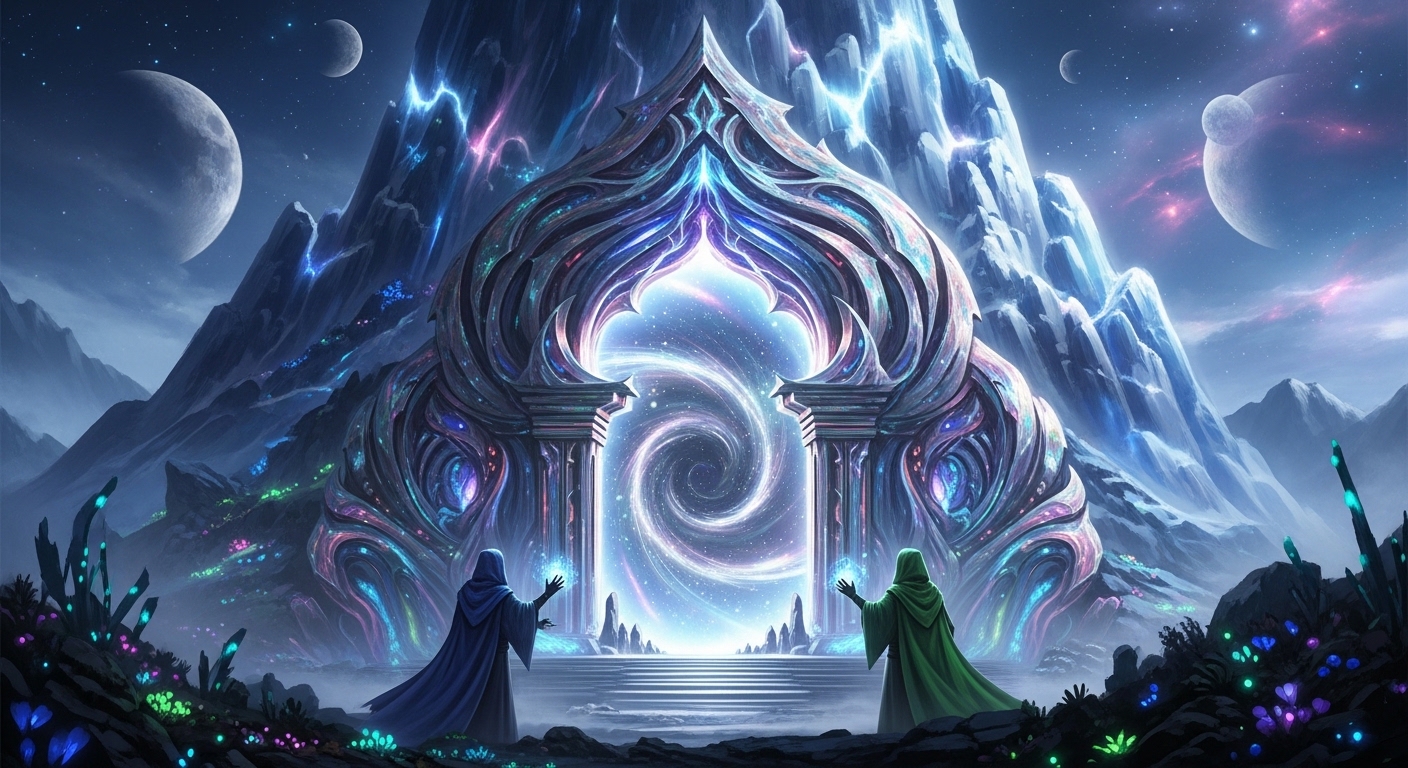
At its heart, the Shrine of Shaping symbolizes the fluid nature of existence. It represents the belief that identity is not fixed but molded through choices, experiences, and inner growth. People in ancient tales journeyed to the shrine not to ask for miracles but to refine their own purpose. The shrine’s imagery—often depicted with spirals, flowing lines, or shifting stone—suggests movement, evolution, and the interplay between chaos and order. In many traditions, the shrine is said to glow softly when approached by someone ready for change, its light responding not to physical presence but to emotional truth. This symbolism extends to the idea that personal transformation begins with honesty and openness, qualities that allow the individual to reshape their life path with intention rather than fear.
Architectural Features and Mystical Design
Descriptions of the Shrine of Shaping vary dramatically depending on the source, but most accounts agree that its design defies conventional architecture. Scholars of myth often interpret the shrine as an ever-changing structure—its walls shifting subtly, its patterns reconfiguring like living stone. Some depictions describe a circular layout, reflecting wholeness and the cycles of growth. Others portray spiraling corridors meant to mirror the inward journey toward self-understanding. The centerpiece of the shrine is usually said to be the Shaping Core, a glowing focal point that radiates an energy capable of responding to thought or emotion. In some stories, this core is a crystal, in others a living flame, and in some it is simply a space filled with sense-bending light. Regardless of the depiction, the architecture of the shrine is portrayed as intentionally interactive—more a partner in reflection than a passive structure.
Rituals and Practices Associated with the Shrine
People who traveled to the Shrine of Shaping often took part in rituals designed to guide introspection and transformation. One of the most common practices described in folklore is the Rite of Reflection, where seekers sit in silence before the Shaping Core and meditate on the version of themselves they wish to become. Another ritual known as the Path of Unmaking encourages individuals to release old habits, fears, or identities before they attempt to shape something new. This rite symbolizes the belief that growth sometimes requires letting go. Some stories speak of chanting, symbolic carvings, or even offerings made from materials tied to the seeker’s personal journey. These rituals were less about appeasing divine forces and more about aligning one’s inner energy with the shrine’s transformative presence.
Cultural Interpretations Across Traditions
The Shrine of Shaping appears in folklore across regions, each adding its own cultural lens to its purpose. In some eastern traditions, it is depicted as a meditation sanctuary located in mist-covered mountains. In western mythologies, it is often portrayed as a stone monument hidden in enchanted forests. Desert cultures frame it as an oasis of inner rebirth, while island legends describe it as a coastal cavern where waves echo the whisper of transformation. Despite these variations, the shrine consistently represents personal evolution, adaptability, and the pursuit of authenticity. This universal appeal has allowed the shrine to remain relevant across centuries of storytelling, influencing art, philosophy, and metaphysical practice.
Influence on Modern Spirituality and Creativity
While the Shrine of Shaping may not exist physically, its legacy continues to shape modern thought. Many contemporary spiritual practices borrow from shrine-like concepts—journaling as a “shaping tool,” meditation as a path toward inner clarity, and vision boards as modern analogues to ancient self-crafting rituals. The shrine also influences creativity, serving as a metaphor for the artistic process in which raw ideas are molded into form. Writers and artists often refer to their workspace as a personal “shaping shrine,” a place where inspiration and transformation meet. In psychology, the shrine’s themes parallel the idea of self-actualization, emphasizing continuous growth and intentional identity-building.
Why the Shrine of Shaping Still Resonates Today
The enduring popularity of the Shrine of Shaping stems from a universal human truth: everyone seeks change at some point. Whether the goal is internal peace, external achievement, or emotional healing, people naturally gravitate toward symbols of transformation. The shrine represents the idea that individuals possess the power to reshape their lives, even when circumstances feel rigid. Its myth encourages personal responsibility but also offers hope, reminding seekers that they are not defined solely by their past. In a rapidly changing world, the shrine’s core message—that transformation is always possible—feels more relevant than ever.
The Shrine as a Metaphor for Personal Growth
Interpreted metaphorically, the Shrine of Shaping invites individuals to examine the places in their own lives where change happens. It can be a moment of clarity, a supportive relationship, a creative breakthrough, or a difficult challenge that forces evolution. In this sense, the shrine is not a distant mythical structure but a living concept within each person. Approaching the shrine becomes symbolic of stepping toward self-awareness. Standing before the Shaping Core mirrors the act of confronting one’s inner truth. Walking away from the shrine represents carrying newfound purpose back into the world.
Conclusion: A Monument to Possibility
The Shrine of Shaping remains one of mythology’s most evocative symbols of transformation. Whether viewed as a literal sacred site or an allegory for personal growth, it encapsulates the belief that identity is never static. Its stories encourage individuals to embrace change with courage, curiosity, and intention. As long as humans continue seeking ways to evolve, the shrine will persist as a guiding image—a place, real or imagined, where the journey toward self-shaping begins.