









Understanding a Powerful Word About Fairness and Perception
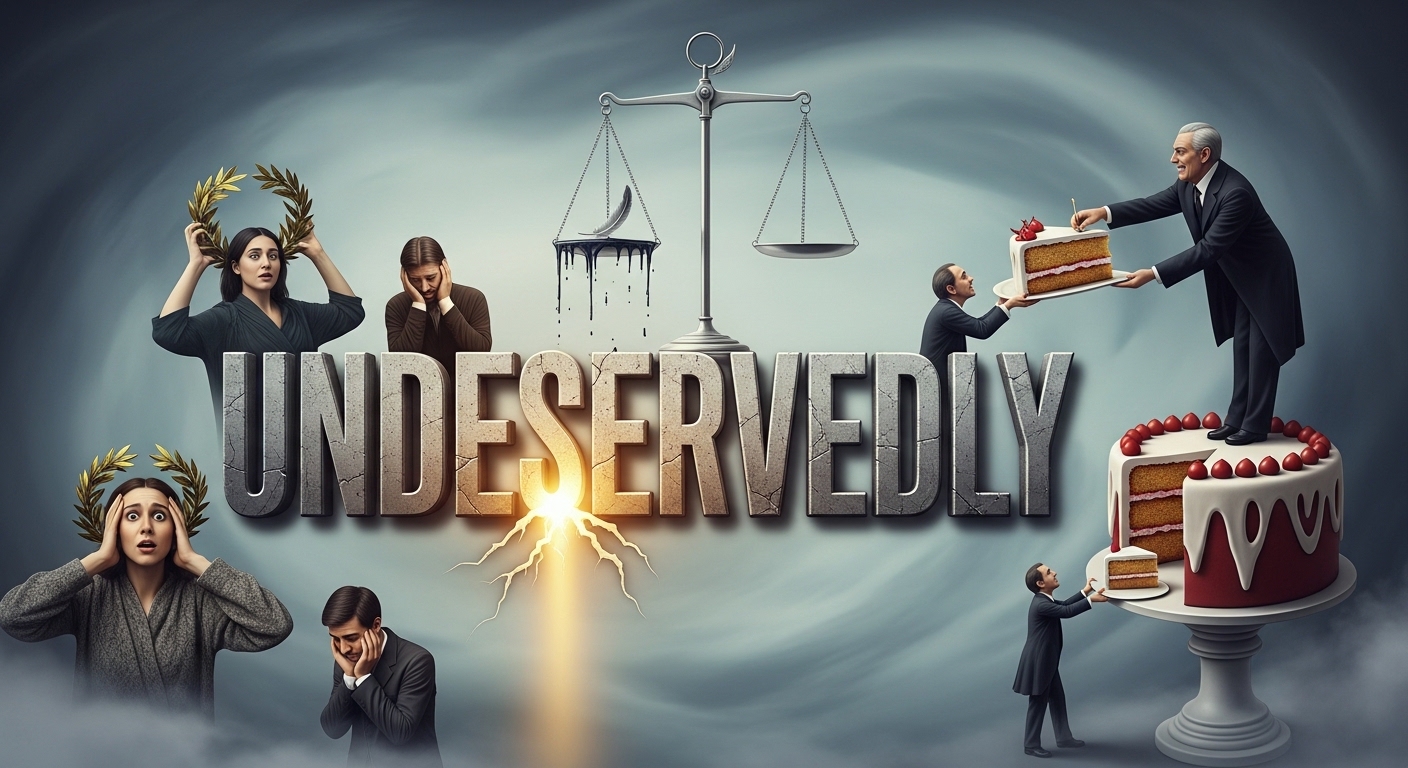
The word undeservedly may look simple, but it carries deep emotional and social weight. It describes things that happen without being earned—good or bad—and often sparks strong reactions related to justice, fairness, and human nature. We use it when someone receives praise they didn’t work for, punishment they shouldn’t face, or opportunities that come without real effort. Because life is full of moments that don’t always align with effort or morality, the idea of being treated undeservedly becomes an important lens for understanding how we interpret ourselves and others. This article breaks down what undeservedly means, why it matters, and how it influences our thoughts, feelings, decisions, and interactions.
The Meaning Behind “Undeservedly”
A Word Rooted in Fairness
At its core, undeservedly means receiving something—positive or negative—that is not earned or justified. It highlights a mismatch between action and outcome. This word often appears in conversations about recognition, justice, punishment, privilege, and fortune.
A Mirror to Life’s Imbalance
The world rarely distributes rewards and consequences equally. Some people rise quickly through luck or timing, while others struggle despite hard work and moral integrity. The concept of undeservedly gives language to this imbalance.
How We Use “Undeservedly” in Everyday Life
Praise Without Effort
People may receive admiration or awards even when their contribution was minimal. When someone succeeds through inherited advantage or circumstance rather than merit, we often describe it as undeservedly rewarded.
Punishment Without Fault
We also use the word when someone is blamed or criticized for something they didn’t do. Whether it happens in friendships, workplaces, or families, being undeservedly punished creates emotional wounds that can last for years.
Good Fortune and Bad Luck
Life sometimes hands out blessings or misfortunes that have little to do with personal choices. A random opportunity or an unexpected setback can both feel undeservedly timed.
Why the Concept of Undeserved Treatment Matters
A Key Element of Moral Judgment
Humans have a natural sense of fairness. When we judge whether outcomes are deserved or undeserved, we’re practicing a kind of moral reasoning. This reasoning shapes our view of justice, empathy, and responsibility in daily life.
A Driver of Emotional Reactions
Perceived unfairness can spark powerful emotions—anger, hurt, jealousy, guilt, disappointment, or even gratitude. These emotions influence how we respond to situations and how we interact with others.
Undeserved Praise and Its Hidden Effects
Inflated Recognition
Receiving praise without earning it can feel nice at first, but it often creates pressure, doubt, or guilt. People may fear exposure or worry that others see through them.
Impact on Self-Confidence
Interestingly, undeserved compliments can reduce real confidence over time. If people know the praise wasn’t earned, they may start questioning their true abilities.
Social Consequences
In group settings, undeserved praise can create tension. Others may feel overlooked or resentful, damaging relationships and trust.
Undeserved Criticism: A Deeper Emotional Weight
Erosion of Self-Worth
Being blamed for something you didn’t do—or judged unfairly—can cause lasting harm. People might internalize the criticism and believe something is wrong with them.
Strain on Relationships
Unjust criticism often leads to distance, resentment, or withdrawal. When someone feels misunderstood or unfairly targeted, they may pull away to protect themselves.
Fear of Future Judgments
Those who repeatedly experience undeserved criticism may become overly cautious, anxious, or defensive, expecting similar treatment in the future.
Privilege and the Idea of Undeserved Advantages
The Role of Luck and Circumstance
Some advantages—such as family background, opportunities, or even timing—come without being earned. Recognizing that certain benefits are undeservedly gained can help create humility and empathy.
A Chance to Build Awareness
Acknowledging undeserved privilege doesn’t diminish personal effort; instead, it highlights how external factors influence success.
How Undeserved Hardship Shapes People
Resilience Through Adversity
Many people grow stronger, wiser, or more compassionate after facing challenges they didn’t deserve. This resilience is often born from pushing through unfair circumstances.
Common Examples
Illness, loss, discrimination, or setbacks can all feel undeserved. While painful, these hardships sometimes become turning points in personal development.
The Role of Empathy
Those who have suffered unfairly often become more understanding of others’ struggles. Shared experiences of undeserved hardship can create community and connection.
Why People Respond Strongly to Undeserved Situations
Our Brain Is Wired for Fairness
Humans instinctively track fairness. Seeing someone treated undeservedly—positively or negatively—activates emotional and cognitive responses meant to restore balance.
Social Comparison
We constantly compare our efforts and outcomes with those of others. When someone achieves success undeservedly, comparison can trigger frustration or insecurity.
A Need for Justice
People want to believe the world rewards good behavior and punishes bad behavior. Undeserved outcomes challenge that belief, causing discomfort.
Undeservedly Good: When Positive Surprises Bring Joy
Unexpected Blessings
Sometimes life gifts us with opportunities, kindness, or success we didn’t expect. These moments remind us that not all undeserved things are negative.
Learning Gratitude
Receiving something positive undeservedly can inspire gratitude and motivate people to pay generosity forward.
Breaking the Pattern of Negativity
Recognizing undeserved blessings helps balance the emotional weight of undeserved hardships, creating a more realistic picture of life’s ups and downs.
Using the Concept of “Undeservedly” to Build Character
Self-Reflection
Understanding undeserved outcomes helps people reflect on their actions, privileges, and emotional responses. This reflection leads to maturity and self-awareness.
Compassion Toward Others
Recognizing when someone is treated undeservedly encourages people to stand up for fairness and show empathy.
Personal Accountability
It also encourages us to check whether we’ve unintentionally praised unfairly, criticized poorly, or benefited without acknowledgment.
Undeservedly in Relationships
Misunderstandings and Assumptions
Partners or friends may feel hurt when they believe they are being judged or blamed unfairly. Recognizing undeserved treatment can prevent deeper conflict.
Support and Validation
Validating someone’s experience of unfairness helps strengthen trust and emotional connection.
Healing After Undeserved Harm
Apologies, open communication, and empathy help repair relationships damaged by undeserved treatment.
Undeservedly in Society
Social Justice Conversations
Many discussions about inequality focus on undeserved advantages or disadvantages. Understanding how these uneven distributions arise can help guide more balanced policies.
Community Dynamics
Communities thrive when fairness is upheld. Undeserved treatment within groups can create divisions, while fairness fosters unity.
Turning Undeserved Experiences Into Growth
Perspective Shift
Viewing undeserved moments as part of life—not a measure of worth—helps people move forward with confidence.
Building Emotional Strength
Learning how to cope with unfairness builds resilience, adaptability, and emotional intelligence.
Helping Others Through Awareness
People who understand unfairness often become supporters, mentors, or advocates for others facing similar challenges.
Final Thoughts Undeservedly
The word undeservedly may be simple, but the experiences it describes shape our self-image, our relationships, and our understanding of the world. Whether we’re talking about unearned praise, unfair criticism, unexpected hardships, or random blessings, the concept reveals how deeply we care about fairness. It helps us examine the balance between effort and outcome, and it encourages awareness of the many forces—seen and unseen—that influence our lives.Understanding undeservedly isn’t just about vocabulary; it’s about recognizing how life’s unpredictability shapes our character. When we acknowledge both the fairness and unfairness around us, we become more empathetic, grounded, and emotionally wise. In a world filled with uneven outcomes, learning to navigate undeserved moments with grace may be one of the most powerful skills we can develop.