










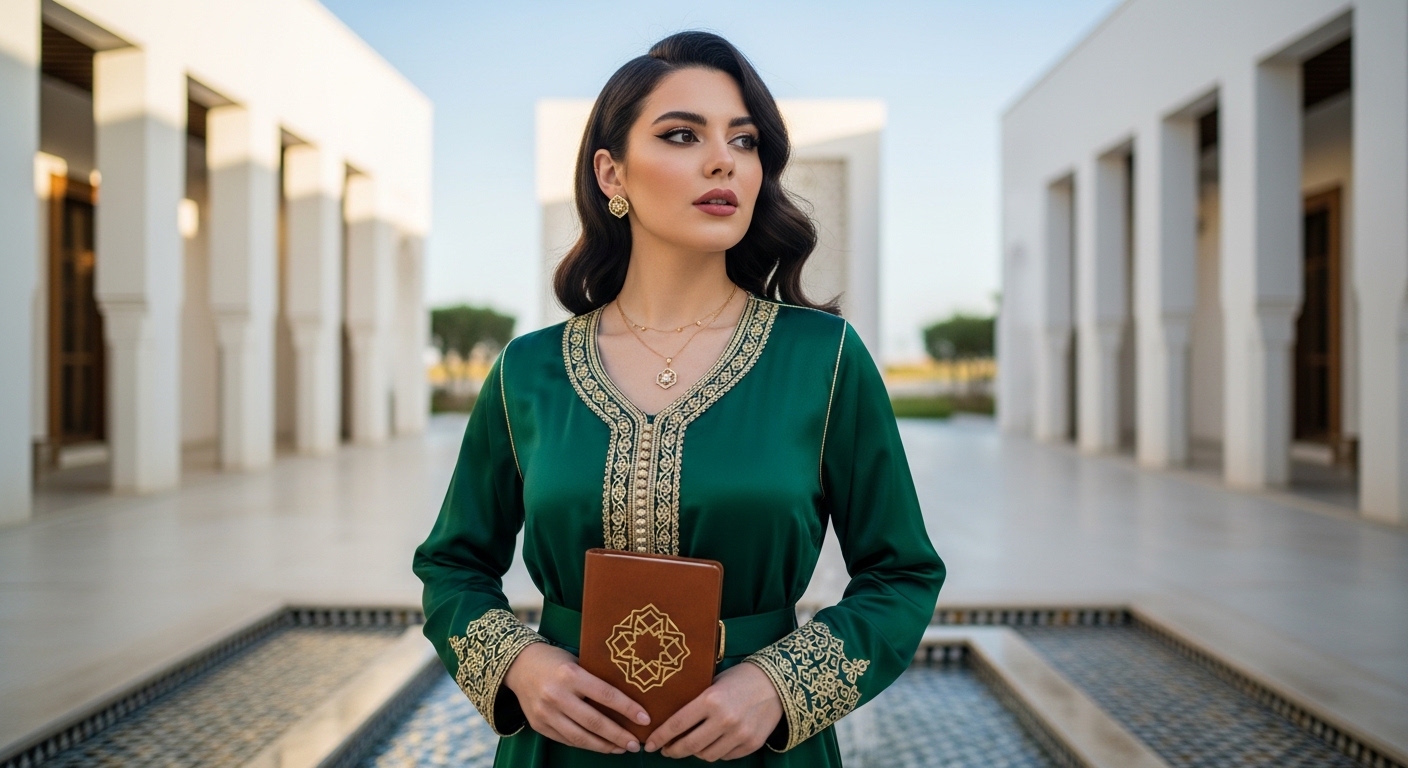
Lalla Salma: Morocco’s Modern Princess
Princess Lalla Salma (born Salma Bennani) is one of Morocco’s most recognizable royal figures of the 21st century. Known for breaking tradition, championing public causes, and modernizing the role of women in Moroccan public life, her story blends heritage and progress in a uniquely North African context.
Early Life & Education
Lalla Salma was born Salma Bennani on May 10, 1978 in Fez, Morocco to a middle-class family. Her mother passed away when she was very young, and she was raised alongside her sister by their grandmother and father.She showed academic promise early on — excelling in mathematics and science at Lycée Hassan II and later attending the prestigious École Nationale Supérieure d’Informatique et d’Analyse de Systèmes in Rabat. After graduating in 2000 with a degree in computer engineering, she worked as an information systems engineer — an uncommon professional path for women in Morocco at the time.
Becoming Royalty
Salma’s life changed dramatically around 1999, when she met then-Crown Prince Mohammed VI during a work-related event. Their connection grew quickly, and in October 2001 their engagement was announced — a moment seen as symbolic of modernizing Morocco’s monarchy.On March 21, 2002, she married Mohammed VI at the Royal Palace in Rabat. Upon marriage, she was granted the title Princess Lalla Salma — making her the first officially titled and publicly acknowledged wife of a Moroccan monarch. Previous queens consort had generally remained out of the public eye.
Role as Princess & Public Figure
Princess Lalla Salma quickly became a familiar face in Moroccan public life. Unlike her predecessors, she took on official engagements, charitable work, and diplomatic representation. This marked a significant shift: Moroccan queens were traditionally private, but Lalla Salma embraced a public-facing role.She supported public health awareness programs, accompanied the king on diplomatic trips, and engaged with international audiences. Many Moroccans saw her as a symbol of progressive representation for women — intelligent, professional, and visible in civil society.
Philanthropy & Social Initiatives
Perhaps her most enduring legacy is the Lalla Salma Foundation (Foundation Lalla Salma – Prevention and Treatment of Cancer), which she established in 2005. The foundation focuses on elevating cancer prevention, improving patient care, and supporting clinical research across Morocco.Under her leadership, the foundation worked to make cancer screening and treatment more accessible, to educate the public about early detection, and to collaborate with international partners for scientific progress. These efforts made cancer a national public-health priority in Morocco.In addition, she participated in World No Tobacco Day events and campaigns addressing HIV/AIDS prevention — all underscoring her broader commitment to public wellness.
Family Life & Children
Princess Lalla Salma and King Mohammed VI had two children together:
-
Crown Prince Moulay Hassan (born May 8, 2003)
-
Princess Lalla Khadija (born February 28, 2007)
Her role as a mother and her visible presence with her children were widely covered by Moroccan and international media in the early 2000s.
Later Years & Public Absence
In 2017, Princess Lalla Salma’s public appearances became rare, and she gradually disappeared from official events. This sparked media speculation and curiosity about her personal life and royal role.By 2018, reports indicated that she and King Mohammed VI had divorced — a rare and sensitive development in Moroccan royal narratives. Although Morocco’s royal palace did not formally announce the divorce, various sources (including the Moroccan king’s own lawyer) later confirmed her status as the king’s ex-wife.While official details about her life in recent years remain limited, she has been spotted occasionally, and Moroccan media continued to follow her situation with interest.
Legacy & Cultural Impac
Lalla Salma’s legacy is multifaceted. She helped redefine the role of royal women in Morocco by being a visible, working, and socially engaged princess. Her engineering background and active philanthropy expanded how Moroccans — especially women and young girls — define success and public contribution.Her work with cancer prevention and public health has had long-lasting effects, and her foundation remains one of the most recognized charitable institutions in the region. By supporting global health initiatives and representing Morocco internationally, she also helped soften traditional monarchical norms with a more modern, humanitarian image.
Conclusion
Princess Lalla Salma’s life story is both inspiring and complex. From humble beginnings in Fez to becoming Morocco’s first publicly acknowledged princess, she carved out a meaningful place in modern Moroccan history. Though her public role shifted in later years, her impact on public health, women’s visibility, and royal representation continues to resonate.