








Introduction to Soju
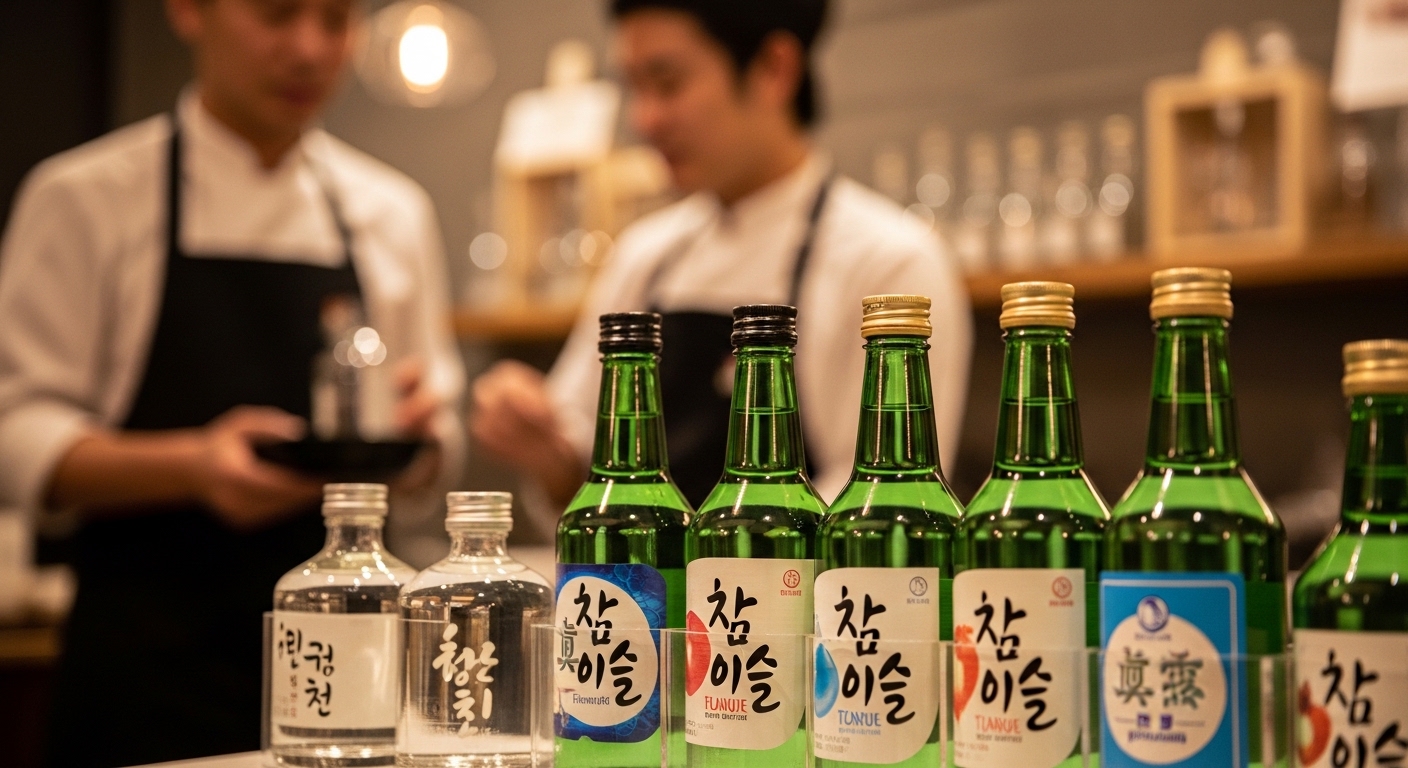
Soju is one of the most popular alcoholic beverages in the world, especially in South Korea where it holds a central place in social life and tradition. Known for its clear appearance and smooth taste, is often compared to vodka, but it has a lighter, slightly sweeter profile that makes it unique. The phrase “soju soju” is sometimes used casually to emphasize the drink itself or to express excitement about enjoying it, particularly in social settings. Whether shared among friends at dinner or consumed during celebrations,represents more than just alcohol—it symbolizes connection, relaxation, and cultural identity.
What is Soju?
Definition and Composition
is a distilled alcoholic beverage traditionally made from rice, although modern versions may use other starches such as wheat, barley, or sweet potatoes. It typically has an alcohol by volume (ABV) ranging from 12% to 25%, making it milder than many spirits but stronger than beer or wine. Its clean, neutral taste allows it to pair well with a wide variety of foods.
Taste and Characteristics
Unlike stronger liquors,is known for being smooth and easy to drink. It often has a subtle sweetness and very little burn, which makes it accessible even for people who are not regular drinkers. Flavored varieties, such as fruit-infused options, have become increasingly popular, adding another layer of appeal.
History of Soju
Origins and Evolution
The history dates back to the 13th century during the Mongol invasions of Korea, when distillation techniques were introduced. Over time, Koreans adapted these methods to create their own version of the spirit, primarily using rice.
During the 20th century, particularly after the Korean War, rice shortages led producers to use alternative ingredients like sweet potatoes and tapioca. This shift helped more affordable and widely available, contributing to its rise as a national drink.
Modern Production of Soju
is produced both traditionally and industrially. While some brands maintain older distillation methods, many large-scale manufacturers use diluted alcohol mixed with water and flavorings to create a consistent and cost-effective product.
Types
Traditional Soju
Traditional is made through distillation and often has a higher alcohol content. It is considered more authentic and may have a richer flavor profile compared to mass-produced versions.
Diluted Soju
This is the most common type found in stores and restaurants. It is made by diluting ethanol with water and adding sweeteners or flavoring agents. It usually has a lower ABV, making it easier to drink.
Flavored Soju
Flavored has gained global popularity, especially among younger consumers. Common flavors include peach, grape, apple, and strawberry. These versions are sweeter and often have a lower alcohol content, making them ideal for casual drinking.
Soju in Korean Culture
Social Drinking Traditions
Soj plays a vital role in Korean social culture. It is often consumed during meals, business meetings, and gatherings with friends. Drinking etiquette is important—people usually pour drinks for each other as a sign of respect and camaraderie.
It is also common to drink in groups, emphasizing bonding and shared experiences rather than individual consumption. Refusing a drink in certain settings may even be seen as impolite, although modern attitudes are becoming more flexible.
Soju and Food Pairing
pairs exceptionally well with Korean cuisine, especially grilled meats like barbecue. Its clean taste helps balance rich and spicy flavors, enhancing the overall dining experience.
Global Popularity
Rising International Demand
In recent years, has gained popularity beyond Korea, thanks in part to the global influence of Korean culture, including K-pop, dramas, and cuisine. It is now available in many countries and is often featured in Korean restaurants worldwide.
Why People Love Soju
There are several reasons for soj’s global appeal:
- Its relatively low alcohol content compared to other spirits
- Smooth and approachable taste
- Affordable price
- Variety of flavors
These factors make it attractive to a wide range of consumers, from beginners to experienced drinkers.
Alcohol Content and Effects
Understanding ABV
typically contains between 12% and 25% alcohol by volume. This range allows drinkers to enjoy it casually without the intensity of stronger spirits, though it can still have significant effects if consumed in large quantities.
Responsible Drinking
Like any alcoholic beverage, soj should be consumed responsibly. Its smooth taste can make it easy to drink quickly, which may lead to overconsumption. Moderation is key to enjoying safely.
Health and Considerations
Potential Benefits and Risks
While moderate alcohol consumption is sometimes associated with relaxation and social benefits, excessive drinking can have negative health effects.Is no exception, and its impact depends on the amount consumed.
Flavored varieties may also contain added sugars, which can increase calorie intake.
Conclusion
It is more than just a drink—it is a cultural symbol, a social connector, and a globally recognized spirit. From its historical roots to its modern-day popularity, continues to evolve while maintaining its identity as Korea’s beloved beverage. The phrase “soju soju” captures the excitement and enjoyment associated with this iconic drink, reflecting its role in bringing people together.
Whether enjoyed traditionally or in flavored varieties, offers a unique and approachable experience that resonates with people around the world.