









The Ultimate Guide to Solo Stove
For decades, the classic backyard bonfire came with a literal price: the “campfire smell” that clung to your hair for days and the constant “smoke dance” as you shuffled your chair to avoid a shifting breeze. Enter Solo Stove.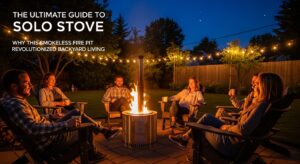
Since its debut, Solo Stove has transformed from a niche camping tool into a backyard lifestyle staple. By applying clever engineering to a primitive concept, they managed to make fire cleaner, hotter, and significantly more enjoyable. In this comprehensive guide, we explore how Solo Stoves work, which model is right for you, and how to maintain them for a lifetime of use.
1. The Science of Silence: How “Smokeless” Actually Works
The most common misconception about Solo Stove is that it uses magic or chemicals to eliminate smoke. In reality, it uses a sophisticated physical design known as Signature 360° Airflow.
The Double-Wall Construction
A Solo Stove is built with two stainless steel walls. This creates a vacuum-like chamber between the exterior and interior.
-
Primary Combustion: Air enters through vent holes at the bottom of the exterior. This air feeds the fire from below, providing the oxygen needed for the initial burn.
-
Secondary Combustion: As the fire grows, the air trapped between the two walls heats up significantly. Because hot air rises, it travels up the chamber and exits through a row of holes at the top of the interior wall.
-
The “Reburn”: This superheated oxygen meets the smoke (which is essentially unburnt fuel) at the top of the pit. It causes the smoke to ignite and burn off before it ever leaves the stove. This creates a mesmerizing “flame jet” effect and eliminates up to 90% of visible smoke.
2. Choosing Your Size: The Solo Stove Lineup
Solo Stove offers several sizes to fit different lifestyles, from solo backpackers to large suburban families.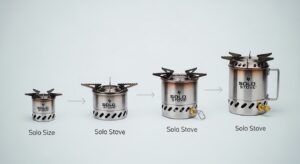
The Ranger 2.0 (The Portable Powerhouse)
-
Best For: Small patios, RV campers, and beach trips.
-
Diameter: 15 inches.
-
Why we love it: It’s light enough to carry in its included travel bag but large enough to provide a genuine fire pit experience for 2–3 people.
The Bonfire 2.0 (The Fan Favorite)
-
Best For: The average backyard.
-
Diameter: 19.5 inches.
-
Why we love it: This is the flagship model. It strikes the perfect balance between portability and heat output. It fits standard-sized cordwood and easily gathers 4–6 people.
The Yukon 2.0 (The Party Starter)
-
Best For: Large gatherings and permanent backyard setups.
-
Diameter: 27 inches.
-
Why we love it: If you have a large deck or a big family, the Yukon is a beast. It produces a massive amount of heat and acts as a true centerpiece for a backyard renovation.
The Mesa & Mesa XL (The Tabletop Gems)
-
Best For: Urban balconies or outdoor dining tables.
-
Why we love it: These mini stoves run on pellets or small sticks. They bring the ambiance of a fire to a dinner table without the commitment of a full-size pit.
3. The 2.0 Upgrade: What Changed?
If you are shopping for a Solo Stove today, you will notice the “2.0” designation. This was a pivotal update in the product’s history.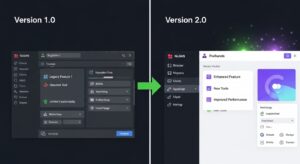
In the original models, cleaning out the ash was a chore; you had to tip the entire heavy stove upside down. The 2.0 versions introduced a removable ash pan and base plate. Now, you simply lift the internal grate and pull out the pan once the fire is cold. This single change made the Solo Stove significantly more user-friendly for frequent burners.
4. Essential Accessories for the Best Experience
While the stove works great on its own, a few accessories are widely considered “must-haves” for safety and versatility.
-
The Stand: Essential if you plan to use the stove on a wooden deck or grass. It allows airflow underneath, keeping the surface below cool enough to touch.

-
The Shield (Spark Screen): A two-piece mesh top that prevents embers from popping out while still allowing you to roast marshmallows.
-
The Lid: Turns your fire pit into a tabletop when not in use and protects the interior from rain if you forget to put the cover on.
-
Pi Fire: A recent innovation that sits on top of the Bonfire or Ranger, turning your fire pit into a high-heat pizza oven.
5. Maintenance and Longevity
Solo Stoves are made of 304 Stainless Steel, which is highly resistant to rust. However, “smokeless” does not mean “maintenance-free.”
The Patina
After your first burn, the shiny silver steel will turn a blue/gold/copper hue. This is called a “patina” and is a natural reaction to extreme heat. It doesn’t affect performance; in fact, most enthusiasts consider it a badge of honor.
Storage
While the steel is durable, you should not leave your Solo Stove out in the rain indefinitely. Water can collect in the bottom, mixing with ash to create a corrosive paste. Always use a Shelter (the Solo Stove weather cover) or store it in a garage when not in use.
6. Final Verdict: Is It Worth the Investment?
Solo Stoves are more expensive than the $50 fire pits found at big-box hardware stores. However, the value lies in the frequency of use.
Most people use their Solo Stove more often because it’s easy to start, easy to clean, and doesn’t leave them smelling like a chimney. If you value your time and the comfort of your guests, the Solo Stove is an investment in better outdoor memories.
Summary Table: Quick Comparison
| Feature | Mesa XL | Ranger 2.0 | Bonfire 2.0 | Yukon 2.0 |
| Fuel Type | Pellets/Small Wood | Firewood | Firewood | Large Logs |
| Portability | High | High | Medium | Low |
| Group Size | 1-2 | 2-3 | 4-6 | 8+ |
| Ideal Setting | Tabletop | Camping/RV | Backyard |