










Breaking the Silence, Building Awareness
Every June, communities, healthcare organizations, and advocacy groups around the world observe Men’s Mental Health Month. It’s a dedicated time to shine a light on an issue that has long been overshadowed by stigma, silence, and outdated ideas about masculinity. While conversations about mental health have grown louder in recent years, men’s struggles often remain in the shadows — unspoken, unaddressed, and frequently misunderstood.
This article explores what Men’s Mental Health Month is, why it exists, the unique challenges men face, and what individuals, families, and communities can do to make a real difference.
What Is Men’s Mental Health Month?
Men’s Mental Health Month is an annual observance held in June, designed to raise awareness about the mental health issues that disproportionately affect men. It encourages open dialogue, reduces stigma, and promotes access to mental health resources tailored to men’s needs.
The month often overlaps with International Men’s Health Week, typically observed in the days leading up to Father’s Day. Together, these observances aim to remind society that mental health is just as important as physical health — and that men, like everyone else, deserve support, compassion, and care when they’re struggling.
Why June?
June was chosen partly because it aligns with International Men’s Health Week and Father’s Day, two occasions that already draw attention to men’s wellbeing. Pairing mental health awareness with these existing observances helps amplify the message and reach a wider audience, including fathers, sons, brothers, and partners.
Why Men’s Mental Health Deserves Special Attention
It’s important to clarify upfront: raising awareness about men’s mental health isn’t about minimizing the struggles of women or other groups. It’s about recognizing that men face a distinct set of barriers and risk factors that often go unaddressed.
The Numbers Tell a Story
Mental health statistics reveal a troubling pattern. Men are significantly less likely than women to seek help for mental health concerns, yet they experience higher rates of suicide in most countries around the world. This isn’t because men experience less emotional pain — it’s often because they’re less likely to talk about it, recognize it, or seek treatment for it.
Depression, anxiety, and other mood disorders frequently manifest differently in men than in women. Instead of sadness or visible distress, men may show irritability, anger, risk-taking behavior, or withdrawal from relationships. These symptoms are often misread — by others and by men themselves — as personality traits rather than signs of an underlying mental health condition.
The Silent Epidemic
Mental health professionals sometimes refer to men’s emotional suffering as a “silent epidemic” because so much of it goes undiagnosed and untreated. Many men suffer for years, sometimes decades, before acknowledging that something is wrong — and even then, many never reach out for professional help.
Understanding the Barriers Men Face
To address men’s mental health effectively, it helps to understand why men are often reluctant to seek support in the first place.
Cultural Expectations and Masculinity Norms
From a young age, many men are taught — explicitly or implicitly — that vulnerability is weakness. Phrases like “man up,” “boys don’t cry,” or “be strong” are deeply embedded in many cultures. Over time, these messages can teach men to suppress emotions rather than express them, leading to a disconnect between what they feel internally and what they show externally.
This cultural conditioning doesn’t just affect how men behave; it shapes how they interpret their own emotions. Many men genuinely struggle to identify what they’re feeling because they’ve spent a lifetime pushing emotions aside.
Fear of Judgment or Weakness
Even when men recognize they’re struggling, fear of being perceived as weak, broken, or less capable can prevent them from speaking up. This fear can be especially strong in professional environments, where men may worry that admitting to mental health struggles could affect how colleagues or supervisors view their competence.
Lack of Safe Spaces to Talk
Many men report having few, if any, close friendships where they feel comfortable discussing emotional struggles. Friendships among men are sometimes built around shared activities rather than emotional intimacy, which can leave little room for vulnerable conversations.
Limited Access to Male-Friendly Mental Health Resources
While mental health services have expanded significantly, not all of them are designed with men’s communication styles and comfort levels in mind. Some men find traditional talk therapy intimidating or unfamiliar, and may benefit from alternative approaches — such as group support centered on shared interests, action-oriented therapy, or peer mentorship programs.
Recognizing the Warning Signs
Because men often express emotional distress differently, it’s important to know what to look for — both in yourself and in the men around you.
Common Signs of Struggling Mental Health in Men
- Increased irritability, anger, or aggression
- Withdrawal from friends, family, or social activities
- Risk-taking behavior, including reckless driving or substance use
- Changes in sleep patterns, appetite, or energy levels
- Difficulty concentrating or a noticeable drop in work performance
- Increased reliance on alcohol or drugs to cope
- Expressions of hopelessness or feeling like a burden to others
- Physical complaints with no clear medical cause, such as headaches or fatigue
If you notice several of these signs in yourself or someone you care about, it may be a signal that professional support is needed.
The Importance of Breaking the Stigma
Stigma is one of the most powerful — and damaging — forces standing between men and the help they need. Breaking it requires effort at multiple levels: individual, community, and societal.
Changing the Conversation Around Strength
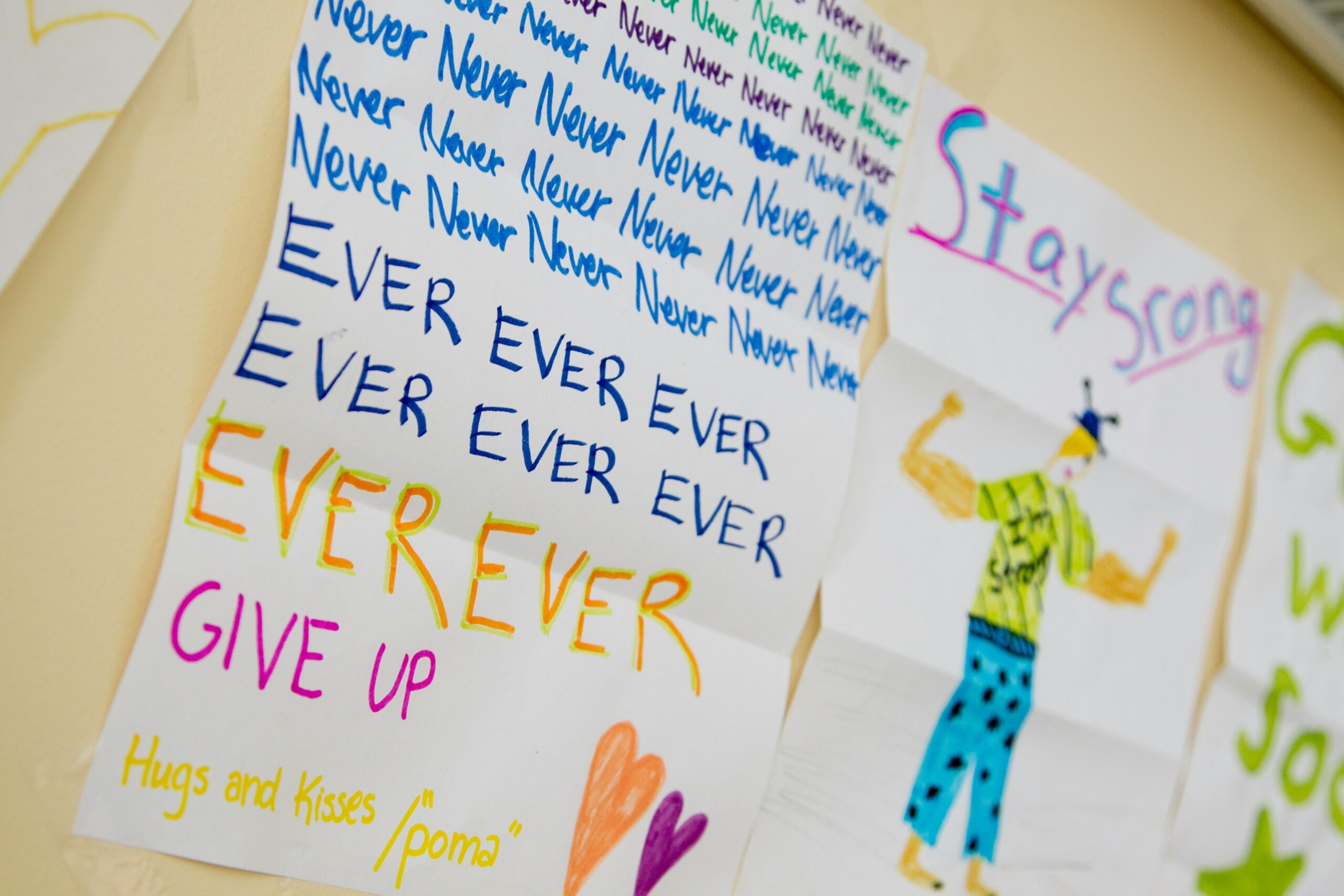
True strength isn’t about suppressing emotions; it’s about having the courage to confront them. Reframing vulnerability as a form of strength, rather than weakness, is one of the most powerful shifts society can make. Men who seek help for mental health struggles are not failing — they’re taking control of their wellbeing.
Representation Matters
When public figures, athletes, and community leaders speak openly about their own mental health journeys, it sends a powerful message: struggling is human, and seeking help is courageous. Increased visibility of men discussing therapy, medication, or emotional struggles helps normalize these experiences for others.
Education Starts Early
Teaching boys from a young age that all emotions are valid — not just anger or pride, but sadness, fear, and vulnerability — can help prevent the suppression patterns that often follow men into adulthood. Schools, sports programs, and families all play a role in shaping how boys learn to process and express their feelings.
How to Support the Men in Your Life
Whether you’re a partner, friend, parent, or colleague, there are meaningful ways to support the men around you during Men’s Mental Health Month and beyond.
Start the Conversation
Sometimes, simply asking “How are you really doing?” can open a door that’s been closed for a long time. Avoid generic check-ins that are easy to brush off with “I’m fine.” Instead, ask specific, caring questions and give the person space to answer honestly.
Listen Without Trying to Fix
When men do open up, it’s important to listen without immediately jumping to solutions. Sometimes, what someone needs most is simply to feel heard and understood, not lectured or advised.
Normalize Seeking Help
Encourage therapy, counseling, or support groups as a normal and healthy choice — not a last resort. Sharing your own experiences with therapy or mental health support, if you’re comfortable doing so, can help reduce the perceived stigma.
Check In Regularly
Mental health struggles don’t follow a calendar, and a single conversation isn’t always enough. Regular, low-pressure check-ins can make it easier for men to open up over time, rather than feeling like they need to have a single, dramatic conversation.
Be Patient
Unlearning years of conditioning around emotional suppression doesn’t happen overnight. Patience, consistency, and genuine care go a long way in helping someone feel safe enough to open up.
Practical Steps for Men Struggling with Mental Health
If you’re a man reading this and recognizing some of these struggles in yourself, know that reaching out for help is a sign of strength, not weakness.
Talk to Someone You Trust
This could be a friend, family member, partner, or colleague. You don’t need to have all the answers — just starting the conversation can be a relief in itself.
Consider Professional Support
Therapists, counselors, and psychologists are trained to help you navigate difficult emotions in a safe, confidential space. If traditional therapy feels intimidating, look into options like group therapy, online counseling, or peer support communities.
Prioritize Physical Health
Exercise, sleep, and nutrition all play a significant role in mental wellbeing. While they’re not a substitute for professional treatment when needed, taking care of your physical health can support your emotional resilience.
Limit Unhealthy Coping Mechanisms
Alcohol, drugs, overworking, or excessive risk-taking might offer temporary relief, but they often make underlying issues worse over time. Replacing these coping mechanisms with healthier outlets — such as exercise, creative hobbies, or talking to someone — can make a meaningful difference.
Know That You’re Not Alone
Many men feel like they’re the only ones struggling, but countless others are facing similar battles in silence. Reaching out, whether to a professional or a trusted person in your life, can be the first step toward feeling less isolated.
The Bigger Picture: A Cultural Shift
Men’s Mental Health Month isn’t just about a single month of awareness campaigns and social media posts. It’s part of a broader cultural shift toward redefining masculinity in a way that includes emotional health as a core component of strength and wellbeing.
This shift requires effort from all of us — parents raising the next generation of boys, employers creating supportive workplace cultures, healthcare systems designing male-friendly mental health resources, and communities fostering spaces where men feel safe to be vulnerable.
A Call to Action
As Men’s Mental Health Month reminds us each June, mental health is not a women’s issue or a men’s issue — it’s a human issue. But because men face unique barriers to seeking help, dedicated awareness and resources are essential to closing the gap.
Whether you’re checking in on a friend, encouraging a loved one to seek therapy, or examining your own mental health journey, every conversation and every small act of support contributes to a larger cultural change — one where men no longer have to suffer in silence.
Final Thoughts
Men’s Mental Health Month serves as an important reminder that emotional wellbeing matters for everyone, regardless of gender. By understanding the unique challenges men face, recognizing warning signs, and fostering open, judgment-free conversations, we can help create a world where seeking help is seen not as a weakness, but as one of the bravest things a person can do.
If you or someone you know is struggling, please don’t wait to reach out for support. A conversation today could make all the difference tomorrow.