










Spheniscus mendiculus: Conservation Challenges and Success Stories
Spheniscus mendiculus, commonly known as the Galápagos penguin, is a captivating species that embodies the charm and fragility of its unique ecosystem. Found exclusively in the enchanting waters of the Galápagos Islands, these small penguins face a myriad of challenges that threaten their survival. From climate change to disease outbreaks, every aspect of their existence is intertwined with environmental shifts. However, amidst these struggles lie inspiring stories of conservation efforts making a difference. Join us as we explore the remarkable journey of Spheniscus mendiculus—its history, behaviors, and ongoing battle for survival in an ever-changing world.
Spheniscus mendiculus: Conservation Challenges and Success Stories
Spheniscus mendiculus faces significant conservation challenges, primarily due to climate change and human activities. Rising ocean temperatures disrupt their feeding patterns, while El Niño events can dramatically reduce their food supply. Additionally, habitat degradation and invasive species further threaten their populations.Despite these hurdles, success stories emerge from dedicated conservation efforts. Organizations have implemented breeding programs and habitat restoration initiatives aimed at stabilizing numbers. These actions provide hope for the future of Galápagos penguins, showcasing resilience in the face of adversity through collaborative efforts.
Description
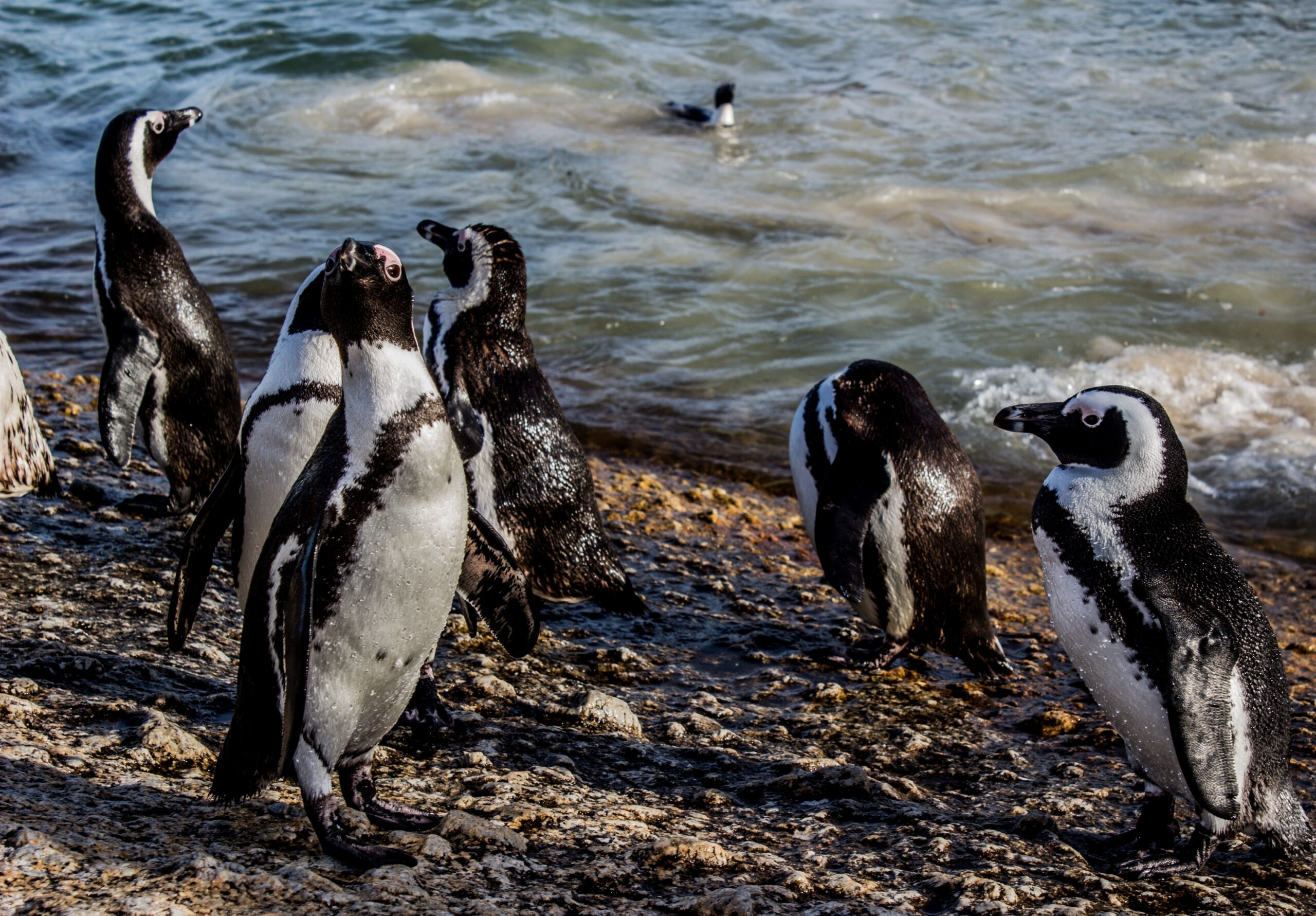
Spheniscus mendiculus, commonly known as the Galápagos penguin, is a small species native to the stunning Galápagos Islands. With its distinct black and white plumage, it has a streamlined body that allows for efficient swimming.These charming birds typically weigh between 4.5 to 5.5 kg and stand about 50 cm tall. Their unique adaptations enable them to thrive in their arid environment while still being agile swimmers—making them a fascinating subject of study for conservationists and wildlife enthusiasts alike.
History
The history of Spheniscus mendiculus, commonly known as the Galápagos penguin, is fascinating. These unique birds have adapted to life in the warm waters of the Galápagos Islands. Their lineage traces back millions of years, reflecting a remarkable evolution.Discovered by scientists in the 19th century, they captured attention due to their distinct behaviors and habitat. Over time, researchers learned about their survival strategies and interactions within this delicate ecosystem. The journey of understanding these penguins continues today as conservation efforts ramp up.
Distribution
Spheniscus mendiculus, commonly known as the Galápagos penguin, is native to the unique archipelago of the Galápagos Islands. This species primarily inhabits coastal areas and rocky shores where they can find shelter from predators and access to food.The distribution is limited mainly to these islands, with colonies found on Fernandina and Isabela among others. Their range reflects a delicate balance between habitat availability and environmental conditions critical for their survival. Each location plays an essential role in supporting this fascinating species’ needs.
Behavior
Spheniscus mendiculus, commonly known as the Galápagos penguin, displays unique behaviors that are vital for its survival. These small penguins use vocalizations to communicate with their mates and chicks. Their social structures often involve group foraging and nesting.These birds are also known for their playful antics. Swimming gracefully through the water, they can dive up to 30 meters in search of fish. On land, they engage in preening rituals to maintain their feathers’ waterproof quality while basking in the sun’s warmth.
Conservation Challenges
Spheniscus mendiculus, commonly known as the Galápagos penguin, faces numerous conservation challenges. One significant threat is climate change, which disrupts their habitat and food sources. Rising ocean temperatures impact their prey availability, putting stress on these delicate creatures.Additionally, diseases pose a serious risk to their populations. Infectious agents can rapidly spread through colonies, especially when numbers are low. Human activities also exacerbate these issues by introducing pollutants and invasive species that compete for resources or directly harm the penguins’ environment.
Breeding and reproduction
Spheniscus mendiculus, commonly known as the Galápagos penguin, typically breeds between May and January. They are monogamous and often return to the same nesting sites each year.These penguins build nests in crevices or under vegetation, providing shelter for their eggs. Females usually lay two eggs that both parents incubate for about 38 to 40 days. Once hatched, chicks rely on their parents for food until they can swim independently around three months old. This nurturing approach helps ensure a higher survival rate among fledglings.
Population
The population of Spheniscus mendiculus, commonly known as the Galápagos penguin, is a matter of concern. Current estimates suggest fewer than 2,000 individuals remain in the wild. This small number raises alarms about their survival.Factors like habitat loss and climate fluctuations contribute to this dwindling population. Conservation efforts are crucial for stabilizing their numbers and ensuring they can thrive in their unique environment. Protecting these remarkable birds requires continued focus on research and effective management strategies.
El Niño and climate change
El Niño events have a significant impact on Spheniscus mendiculus, disrupting their breeding and feeding patterns. These periodic climate phenomena can cause drastic changes in ocean temperatures and currents, leading to food scarcity for these penguins.Climate change exacerbates these challenges. Rising sea temperatures and altered weather patterns jeopardize their habitats. As the environment shifts, Spheniscus mendiculus faces increased stressors that threaten their survival and overall population health. Addressing these issues is crucial for the future of this unique species.
Disease
Disease poses a significant threat to the Spheniscus mendiculus population. Pathogens, including viruses and bacteria, can rapidly spread among these penguins, especially in densely populated colonies.Infections such as avian influenza have been documented in various bird species. This vulnerability is compounded by their limited habitat. The health of marine ecosystems also plays a role; when food sources dwindle due to illness or environmental changes, stress increases susceptibility to disease within these charming birds.
Other threats
Spheniscus mendiculus faces a variety of other threats beyond climate changes and disease. Human activities like fishing and coastal development disrupt their natural habitats. Overfishing depletes the prey species they rely on, exacerbating food shortages.Pollution poses another significant risk. Oil spills and plastic waste infiltrate their environments, affecting both food sources and nesting sites. These challenges compound existing pressures, making survival increasingly difficult for these remarkable penguins in an ever-changing world.
Conservation Success Stories
Conservation efforts for Spheniscus mendiculus, also known as the Galapagos penguin, have seen positive outcomes. Organizations focus on habitat restoration and pollution reduction to ensure a healthier ecosystem. These initiatives help stabilize their population in critical breeding areas.Community engagement plays a vital role too. Local residents participate in monitoring programs and educational activities that raise awareness about these unique birds. With combined efforts from scientists and communities, there is hope for the future of this fascinating species amid ongoing challenges.
Ecology and Interaction with the Environment
Spheniscus mendiculus, commonly known as the Galapagos penguin, plays a vital role in its ecosystem. These flightless birds are excellent indicators of marine health. Their presence signals a balance in the food web.They primarily feed on fish and crustaceans, contributing to nutrient cycling within their environment. By preying on these species, they help maintain populations at sustainable levels.Moreover, their nesting behavior impacts local vegetation. The guano produced by Spheniscus mendiculus enriches the soil around nesting sites, fostering plant growth that benefits various other species.Understanding their ecology is essential for conservation efforts. Protecting this unique penguin ensures the stability of its habitat and promotes biodiversity in the Galapagos Islands.