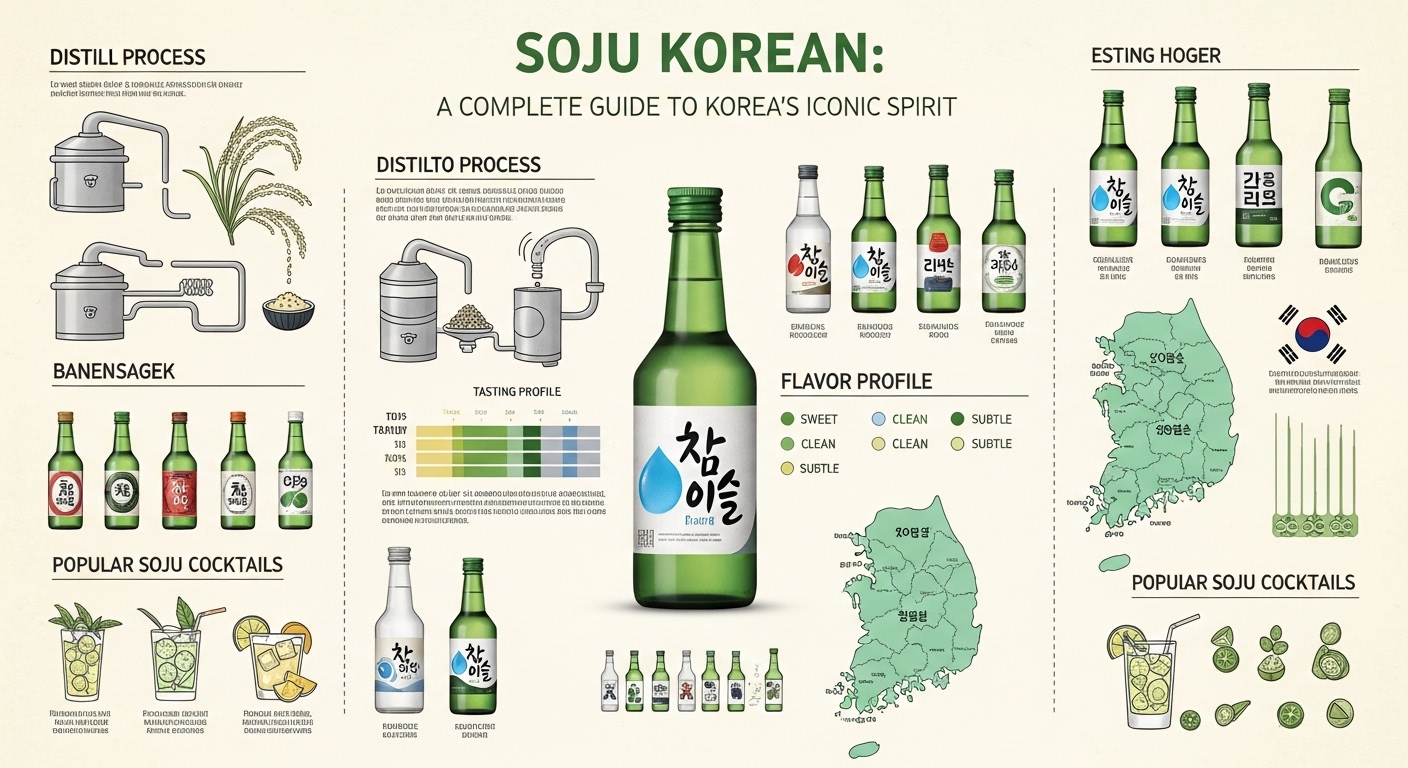











Introduction to Soju ABV
Soju is one of the most popular alcoholic beverages in the world, especially in South Korea. Known for its clean taste and smooth finish, soju appeals to both casual drinkers and seasoned enthusiasts. A key factor that defines its character is its ABV (Alcohol by Volume), which determines the strength of the drink. Understanding soju ABV helps consumers make informed choices and appreciate the diversity within this traditional spirit.
What Does ABV Mean?
ABV, or Alcohol by Volume, refers to the percentage of pure alcohol present in a beverage. It is a standard measurement used globally to indicate how strong a drink is. For example, a beverage with 20% ABV contains 20% alcohol and 80% other ingredients such as water and flavorings.
In the context of soju, ABV can vary significantly depending on the brand, style, and production method. This variation is one of the reasons why soju remains versatile and widely محبوب across different audiences.
Typical Soju Range
Standard Alcohol Content
Traditionally, soju had a relatively high alcohol content, often ranging between 20% to 25% ABV. However, modern commercial soju has evolved to cater to changing consumer preferences. Today, most popular brands offer soju with an ABV between 12% and 17%.
Low-ABV Soju
In recent years, there has been a rise in low-alcohol soju variants. These typically range from 12% to 14% ABV and are designed for lighter drinking sessions. They are often marketed toward younger consumers and those who prefer milder beverages.
High-ABV Soju
Some traditional or artisanal soju varieties still maintain higher alcohol levels, sometimes exceeding 20% ABV. These are often produced using more traditional distillation methods and may offer a richer, more complex flavor profile.
Factors That Affect ABV
Production Methods
The ABV of soju largely depends on how it is made. Traditional soju is distilled from grains such as rice, barley, or wheat, resulting in higher alcohol content. In contrast, modern soju is often diluted with water after distillation, reducing its ABV.
Ingredients Used
Different base ingredients can influence both the flavor and strength of soju. Rice-based soju tends to have a smoother taste, while other starches may produce slightly different characteristics.
Flavor Additions
Flavored soju varieties, such as fruit-infused options, usually have a lower ABV. The addition of sweeteners and flavorings dilutes the alcohol concentration, making these versions lighter and more approachable.
Comparing Soju ABV to Other Alcoholic Drinks
Soju vs Beer
Beer typically has an ABV ranging from 4% to 6%. This makes soju significantly stronger, even in its lighter forms. A single shot of soju can be equivalent to drinking multiple sips of beer in terms of alcohol content.
Soju vs Wine
Wine generally falls between 11% and 14% ABV, which is comparable to many modern soju varieties. However, soju is often consumed in shots, which can make its effects feel stronger.
Soju vs Spirits
Spirits like vodka, whiskey, and rum usually have an ABV of around 40%. Compared to these, soju is much milder, making it a popular choice for those who want a balance between strength and drinkability.
Why Soju ABV Has Changed Over Time
Consumer Preferences
Over the years, there has been a noticeable shift toward lighter alcoholic beverages. Many consumers now prefer drinks that are easier to sip and less intense, leading manufacturers to reduce soju’s ABV.
Social Drinking Culture
Soju is deeply rooted in social gatherings and group drinking culture. Lower ABV versions allow people to drink for longer periods without becoming overly intoxicated, making them ideal for social settings.
Market Competition
As global alcohol markets expand, soju producers have adapted their products to compete with beer, wine, and ready-to-drink beverages. Lower ABV options help attract a wider audience, including international consumers.
Effects of Soju ABV on Drinking Experience
Taste and Smoothness
Lower ABV soju tends to be smoother and less harsh, making it easier for beginners to enjoy. Higher ABV versions, on the other hand, may have a stronger bite and more pronounced alcohol flavor.
Intoxication Levels
The strength of soju directly impacts how quickly it affects the body. Even though it is milder than spirits, drinking multiple shots can quickly lead to intoxication, especially with higher ABV varieties.
Pairing with Food
Soju’s moderate ABV makes it an excellent companion for a wide range of foods. It pairs particularly well with Korean dishes such as barbecue, spicy stews, and fried snacks, enhancing the overall dining experience.
Popular Types of Soju Based on ABV
Classic Soju
This type usually falls within the 16% to 20% ABV range and represents the traditional style. It offers a balanced flavor and moderate strength.
Flavored Soju
Flavored varieties, such as peach, grape, and green apple, typically have an ABV between 12% and 14%. These are sweeter and more accessible to new drinkers.
Premium Soju
Premium or craft soju often has a higher ABV and is made using traditional methods. These versions focus on quality and complexity rather than mass appeal.
Tips for Choosing the Right ABV
For Beginners
If you are new to soju, starting with a lower ABV option is recommended. Flavored or light soju provides a gentle introduction to the drink.
For Experienced Drinkers
Those who are familiar with alcohol may prefer higher ABV soju for its stronger taste and more authentic experience.
For Social Gatherings
For group settings, mid-range ABV soju (around 14% to 17%) is often the best choice. It strikes a balance between flavor and drinkability.
Health and Moderation Considerations
While soju can be enjoyable, it is important to consume it responsibly. The ABV level plays a crucial role in determining how much alcohol you are ingesting. Drinking in moderation helps prevent negative health effects and ensures a safer experience.
Hydration, pacing, and awareness of your limits are essential when consuming any alcoholic beverage, including soju.
Conclusion
Soju ABV is a defining characteristic that influences its taste, strength, and overall appeal. With a range that typically falls between 12% and 25%, soju offers something for everyone—from light, fruity options to stronger, traditional varieties. Its evolving alcohol content reflects changing consumer preferences and its adaptability in a global market. Understanding ABV allows you to choose the right type for your taste and occasion, enhancing your overall drinking experience.