










Understanding the Currency of Algeria
The currency of Algeria plays a central role in the nation’s modern economy, shaping everything from daily transactions in local markets to large-scale trade and government fiscal planning. Known as the Algerian dinar (DZD), this currency reflects a long financial history and a monetary policy built around stability, controlled exchange rates, and gradual economic reform. Whether you’re a traveler planning a visit, an investor analyzing North African markets, or simply someone curious about global currencies, understanding the Algerian dinar gives you a clearer view of how Algeria navigates its dynamic economic environment.
History and Evolution of the Algerian Dinar
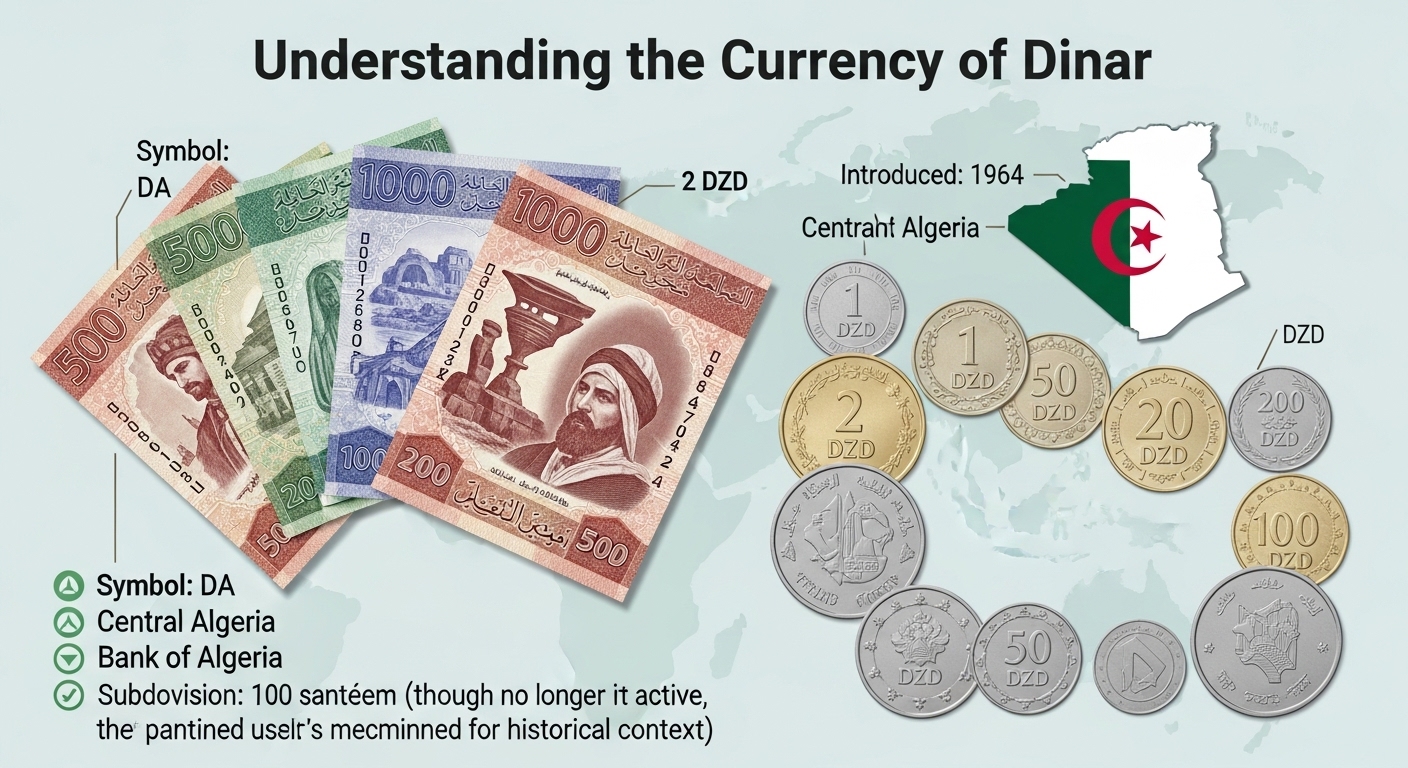
The Algerian dinar officially entered circulation in 1964, shortly after Algeria achieved independence. Replacing the Algerian new franc, the dinar became a key symbol of economic sovereignty. Its introduction marked the beginning of Algeria’s controlled monetary framework, which remained tightly regulated for decades. Over the years, the value of the dinar has gradually shifted, largely influenced by global oil prices—an economic anchor for Algeria—as well as government decisions aimed at stabilizing inflation and managing public spending. The dinar’s journey reflects the country’s broader shift from colonial economic structures toward a self-sustaining national economy.
The Role of the Bank of Algeria
The Bank of Algeria is the institution responsible for issuing currency, overseeing monetary policy, and regulating the financial sector. Its primary mandate is to ensure price stability and maintain the integrity of the national currency. To do this, the Bank uses tools such as interest-rate adjustments, foreign-exchange controls, and liquidity management. The central bank plays an especially crucial role in balancing Algeria’s dependence on energy exports with the need for economic diversification. By managing the dinar’s exchange rate within a controlled framework, the Bank of Algeria helps protect the economy from rapid fluctuations and external financial shocks.
Structure and Denominations of the Algerian Dinar
The Algerian dinar is divided into 100 centimes, although centime coins are rarely used today due to inflation and reduced purchasing power. Banknotes remain the most commonly traded form of cash, available in denominations such as 100, 200, 500, 1000, and 2000 dinars. Coins include 5, 10, 20, 50, and 100 dinars, though their circulation varies by region. The design of Algerian banknotes often features national symbols, historical figures, and cultural elements that highlight the country’s identity. While older paper money remains in circulation, newer polymer notes have begun to appear, offering improved durability and security features.
Exchange Rate System and Market Influence
Algeria maintains a managed or “controlled” exchange rate system. This means the government and the central bank work together to stabilize the value of the dinar rather than allowing it to float freely on international markets. The official exchange rate is influenced by factors such as energy revenues, foreign-currency reserves, and import levels. Parallel market rates—common in many emerging economies—can differ noticeably from the official rate, especially during periods of economic tension. Much of the dinar’s long-term stability is tied to the performance of Algeria’s oil and gas sector, which serves as the primary source of foreign currency.
Factors Shaping the Value of the Algerian Dinar
Several economic forces influence the strength and stability of the Algerian dinar, with energy prices sitting at the top of the list. Because oil and natural gas exports account for the majority of Algeria’s foreign-currency earnings, fluctuations in global energy markets can directly impact the country’s financial capacity and reserves. Inflation levels—shaped by government spending, subsidy policies, and import demand—also determine how far the dinar stretches within the domestic market. Additionally, foreign-investment trends, bilateral trade agreements, and regional political developments all contribute to shaping the dinar’s long-term trajectory. Despite challenges, the government frequently implements reforms to safeguard purchasing power and encourage domestic economic growth.
Use of the Dinar in Daily Life
Local residents rely heavily on the dinar for everyday purchases, from groceries and transportation to business expenses and services. Cash remains the dominant method of payment, although cards and digital platforms are slowly becoming more common in urban areas. Many small shops, taxis, and markets still prefer cash transactions, which means having physical dinars on hand is essential for both locals and visitors. The cost of living in Algeria varies by region, with major cities typically experiencing higher prices. Despite global economic pressures, the country maintains subsidies on essential items, helping stabilize consumer costs and preserve household purchasing power.
Currency for Travelers and Visitors
For travelers, the Algerian dinar is not commonly exchanged outside the country, so it’s best to convert money upon arrival. Official exchange services—typically found at banks, hotels, and authorized currency bureaus—offer regulated rates that align with national policy. Visitors should be aware that exporting or importing large amounts of dinars is subject to restrictions, as Algeria closely monitors foreign-exchange movements. Credit-card acceptance is growing but remains inconsistent, making cash the most reliable way to pay for local goods and services. Familiarity with the national currency helps travelers navigate prices, negotiate fair deals in local markets, and avoid potential overcharges.
The Dinar in International Trade and Investment
In global trade, the Algerian dinar plays a modest but essential role. Most international transactions, especially those involving energy exports, are conducted in major global currencies such as the US dollar or euro. However, within domestic markets and regional agreements, the dinar remains vital. Algeria’s efforts to diversify its economy—from agriculture to manufacturing and renewable energy—include strategies to strengthen the domestic currency’s resilience. Exchange-rate stability helps attract foreign investors by ensuring predictable conditions and reducing financial risk. The government also pursues economic partnerships with countries in Europe, Africa, and Asia to encourage growth and support the long-term value of the dinar.
Inflation, Purchasing Power, and Reforms
Inflation remains one of the central challenges affecting the Algerian dinar. Periods of rapid inflation can diminish purchasing power, leading the government and the central bank to introduce targeted reforms. These may include updates to subsidy programs, adjustments to public-sector spending, and regulations to support key industries. Algeria has also taken steps to modernize its banking sector, introduce new financial technologies, and promote investment in private enterprises. These reforms aim not only to strengthen the domestic economy but also to create a more flexible monetary environment in which the dinar can perform more effectively.
Digital Payments and the Future of Algerian Currency
Although cash still dominates transactions, Algeria is gradually moving toward a more digital financial system. Mobile-money services, electronic bank transfers, and e-commerce platforms have expanded in recent years. Government initiatives encourage banks and businesses to adopt digital technologies, which help reduce cash dependency and improve financial transparency. While the country has not announced plans for a digital dinar or central-bank digital currency, discussions around modernization suggest that digital finance will eventually become a larger part of Algeria’s monetary landscape. This evolution may strengthen the currency over time by streamlining transactions and improving regulatory oversight.
Challenges Facing the Algerian Dinar
Despite its resilience, the Algerian dinar faces several economic pressures. Dependence on hydrocarbon exports leaves the currency vulnerable to global price swings. Diversification efforts have made progress but remain incomplete, meaning non-energy sectors still contribute less significantly to national revenues. Additionally, the existence of a parallel currency market complicates monetary policy and can create uncertainty for individuals and businesses. External factors such as regional instability, shifting global trade patterns, and worldwide inflation trends also influence the dinar’s performance. Addressing these challenges requires long-term policy planning and continued reform in both fiscal and financial sectors.
Opportunities for Growth and Stability
The future of the Algerian dinar depends on Algeria’s success in developing a more balanced and innovative economy. By expanding industries such as agriculture, tourism, technology, and renewable energy, the country can reduce its dependence on oil and gas revenues. A more diversified revenue base would strengthen foreign-currency reserves, support stable inflation, and enhance the dinar’s international credibility. Investment in digital finance, banking modernization, and regulatory transparency can further energize economic participation and attract foreign partners. With its abundant natural resources, strategic location, and youthful population, Algeria has significant potential to enhance the strength and stability of its currency.
Conclusion
The Algerian dinar is more than just a unit of exchange—it’s a reflection of Algeria’s economic identity, historical journey, and future ambitions. From its beginnings after independence to its current role in a changing global landscape, the dinar continues to evolve alongside the nation itself. Understanding its value, challenges, and opportunities offers meaningful insight into the direction of Algeria’s economy. Whether you’re traveling, trading, or simply exploring global currencies, the story of the Algerian dinar provides a vivid snapshot of how a nation navigates stability, growth, and transformation in an interconnected world.