









Introduction of Lantern Festival
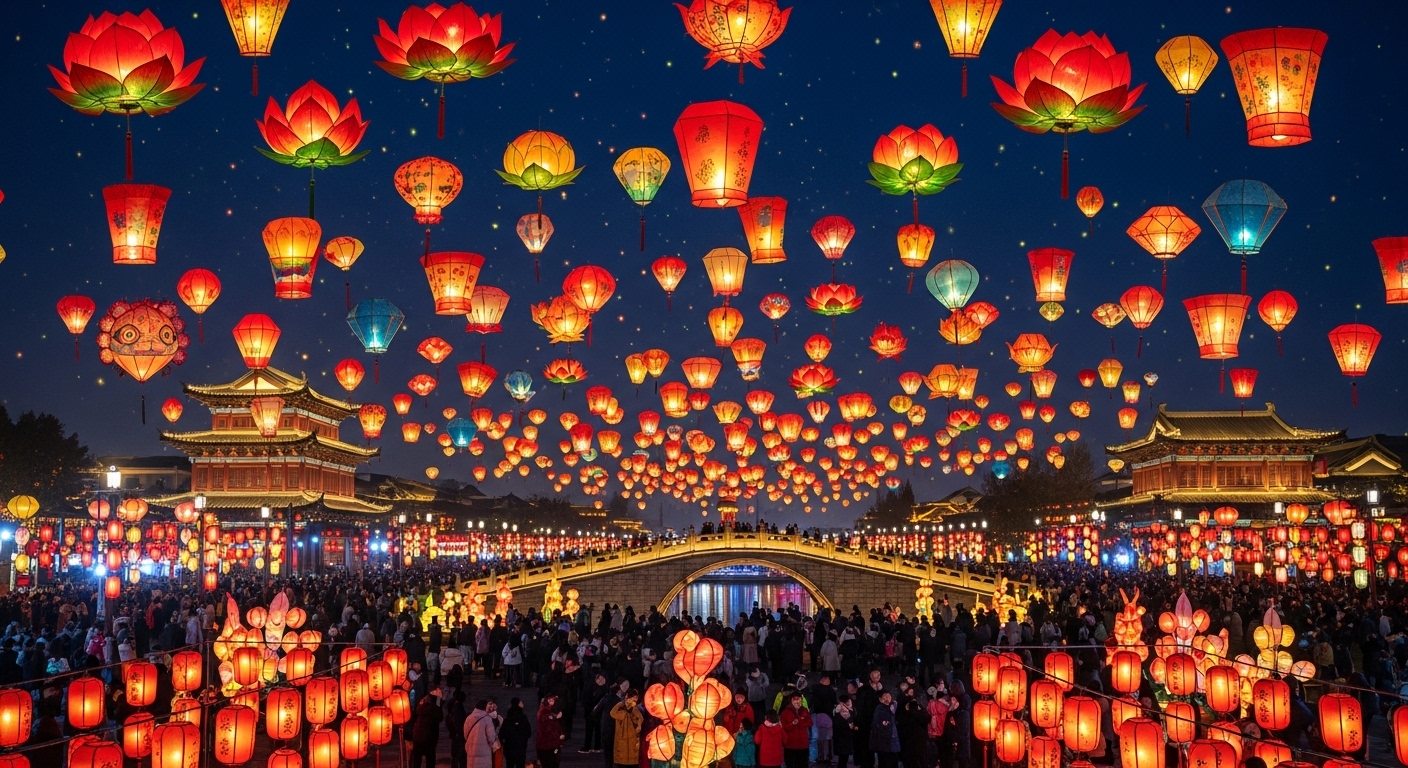
The Lantern Festival is a beautiful and symbolic celebration that marks the end of the Chinese New Year festivities. Held on the 15th day of the first lunar month, this festival transforms cities, towns, and villages into glowing landscapes filled with colorful lanterns, joyful gatherings, and cultural performances. It is not only a visual delight but also a meaningful tradition rooted in centuries of history and cultural beliefs.
Historical Background
Origins in Ancient China Lantern Festival
dates back over 2,000 years to the Han Dynasty. It began as a religious event when Buddhist monks would light lanterns to honor the Buddha. Over time, the custom spread among the general population, evolving into a grand public celebration. Emperors and common people alike embraced the tradition, turning it into a national festival.
Evolution Over Time Lantern Festival
As Chinese society developed, the festival incorporated various customs such as lantern displays, riddles, and performances. Today, it blends ancient rituals with modern entertainment, making it relevant and enjoyable for all generations.
Cultural Significance
Symbol of Unity and Renewal
The Lantern Festival symbolizes reunion, peace, and harmony. Families gather to celebrate together, reflecting the importance of unity in Chinese culture. The round shape of lanterns and traditional foods represents completeness and togetherness.
Connection to Chinese New Year
This festival serves as the grand finale of Chinese New Year celebrations. It signifies the transition from the festive season back to daily life while carrying forward hopes for prosperity and happiness in the coming year.
Traditional Customs in Lantern Festival
Lighting and Releasing Lanterns
The most iconic activity is lighting lanterns of different shapes, sizes, and colors. Some people release sky lanterns into the night sky, symbolizing letting go of worries and sending wishes for the future.
Solving Lantern Riddles
Lanterns often have riddles written on them, challenging participants to solve them. This activity adds an intellectual and playful element to the celebration.
Eating Tangyuan
A special dish called Tangyuan is traditionally eaten during the festival. These sweet rice balls, usually filled with sesame or peanut paste, symbolize family unity and happiness.
Dragon and Lion Dances
Colorful performances such as dragon and lion dances are common during the festival. These lively displays are believed to bring good luck and drive away evil spirits.
Modern Celebrations of Lantern Festival
Festivals Around the World
While the Lantern Festival originated in China, it is now celebrated globally in countries with Chinese communities, including Taiwan, Singapore, and Malaysia. Cities host grand lantern exhibitions, fireworks, and cultural shows.
Tourism and Entertainment
Modern celebrations often include light shows, music concerts, and digital lantern displays, attracting tourists from around the world. The fusion of tradition and technology has made the festival even more appealing.
Symbolism of Lanterns
Colors and Meanings Lantern Festival
Different lantern colors carry unique meanings. Red symbolizes happiness and prosperity, yellow represents good luck, and white often signifies purity.
Shapes and Designs Lantern Festival
Lanterns come in various shapes, including animals, flowers, and mythical creatures. Each design tells a story or conveys a cultural message, making them both artistic and meaningful.
Conclusion
The Lantern Festival is more than just a celebration of lights—it is a reflection of history, culture, and human connection. From its ancient origins in the Han Dynasty to its modern global presence, the festival continues to bring people together in a spirit of joy and unity. As lanterns illuminate the night sky, they also light up hearts with hope, love, and a sense of belonging.