









Introduction
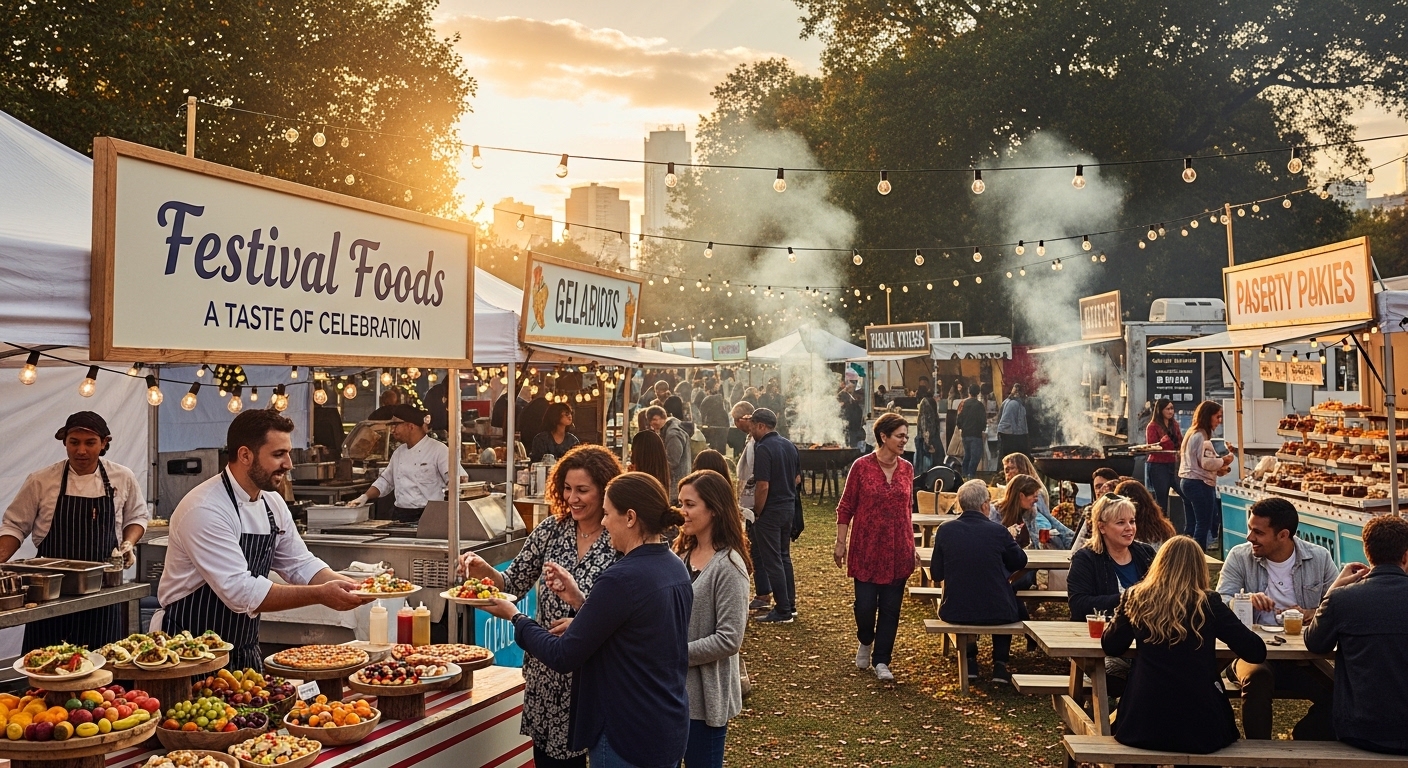
Festival foods are more than just meals; they are a vibrant expression of culture, tradition, and joy. Across the world, festivals are celebrated with unique dishes that reflect the heritage and beliefs of a community. These foods often carry deep symbolic meanings and are prepared with great care, making them an essential part of any celebration. Whether sweet or savory, simple or elaborate, festival foods unite people and create unforgettable memories.
The Cultural Significance of Festival Foods
hold a special place in every culture. They are often tied to religious beliefs, seasonal changes, or historical events. For instance, certain dishes are prepared only during specific festivals, making them rare and highly anticipated. These foods symbolize prosperity, happiness, and togetherness. Sharing meals during festivals strengthens relationships and fosters a sense of belonging among family and friends.
Popular Festival Foods Around the World
Sweet Delicacies
Sweets play a central role in most festivals. In many cultures, sweetness represents joy and good fortune. Popular examples include laddoos and jalebi in South Asia, mooncakes in China, and chocolates during Western celebrations. These treats are often exchanged as gifts, spreading happiness and goodwill.
Savory Specialties
Savory dishes are equally important during festivals. From spicy curries and biryanis to roasted meats and stuffed pastries, these foods offer a variety of flavors. They are usually prepared in large quantities to serve guests and visitors, emphasizing hospitality and generosity.
Traditional Cooking Methods
foods are often made using traditional recipes passed down through generations. Cooking methods such as slow roasting, steaming, or frying enhance the flavor and authenticity of these dishes. Families gather in kitchens to prepare meals together, turning cooking into a joyful activity rather than just a task.
Seasonal and Local Ingredients
Many festival foods rely on seasonal and locally available ingredients. This not only ensures freshness but also connects the celebration to nature. For example, harvest festivals often include grains, fruits, and vegetables that are freshly harvested. Using local ingredients also helps preserve regional culinary traditions.
The Role of Festival Foods in Social Bonding
Food has always been a powerful way to bring people together, and festivals amplify this effect. Sharing meals creates a sense of unity and strengthens social ties. Community feasts, potlucks, and family dinners are common during festivals, allowing people to connect and celebrate together.
Modern Influence on Festival Foods
With globalization and changing lifestyles, festival foods have also evolved. While traditional dishes remain important, modern variations and fusion recipes are becoming popular. People experiment with new ingredients and cooking styles, adding a contemporary twist to classic recipes. Despite these changes, the essence of festival foods—celebration and togetherness—remains unchanged.
Conclusion
Festival food are a beautiful blend of tradition, culture, and celebration. They tell stories of heritage, bring people closer, and add flavor to every festive occasion. Whether enjoyed at home or shared with a community, these special dishes make festivals truly memorable. As traditions evolve, festival foods continue to adapt while preserving their cultural roots, ensuring that the joy of celebration is passed on to future generations.