









The Timeless Majesty of the Magnolia Tree.
The Magnolia tree is often considered the aristocrat of the plant world. With a lineage dating back millions of years, these trees have witnessed the rise and fall of dinosaurs, the shifting of continents, and the evolution of modern gardening. Known for their massive, fragrant blooms and glossy foliage, Magnolia Tree are a staple in landscapes ranging from the humid American South to the temperate gardens of Asia and Europe.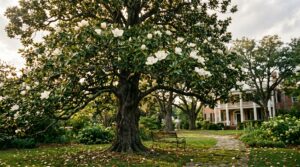
1. An Ancient Legacy: The History of Magnolia Tree
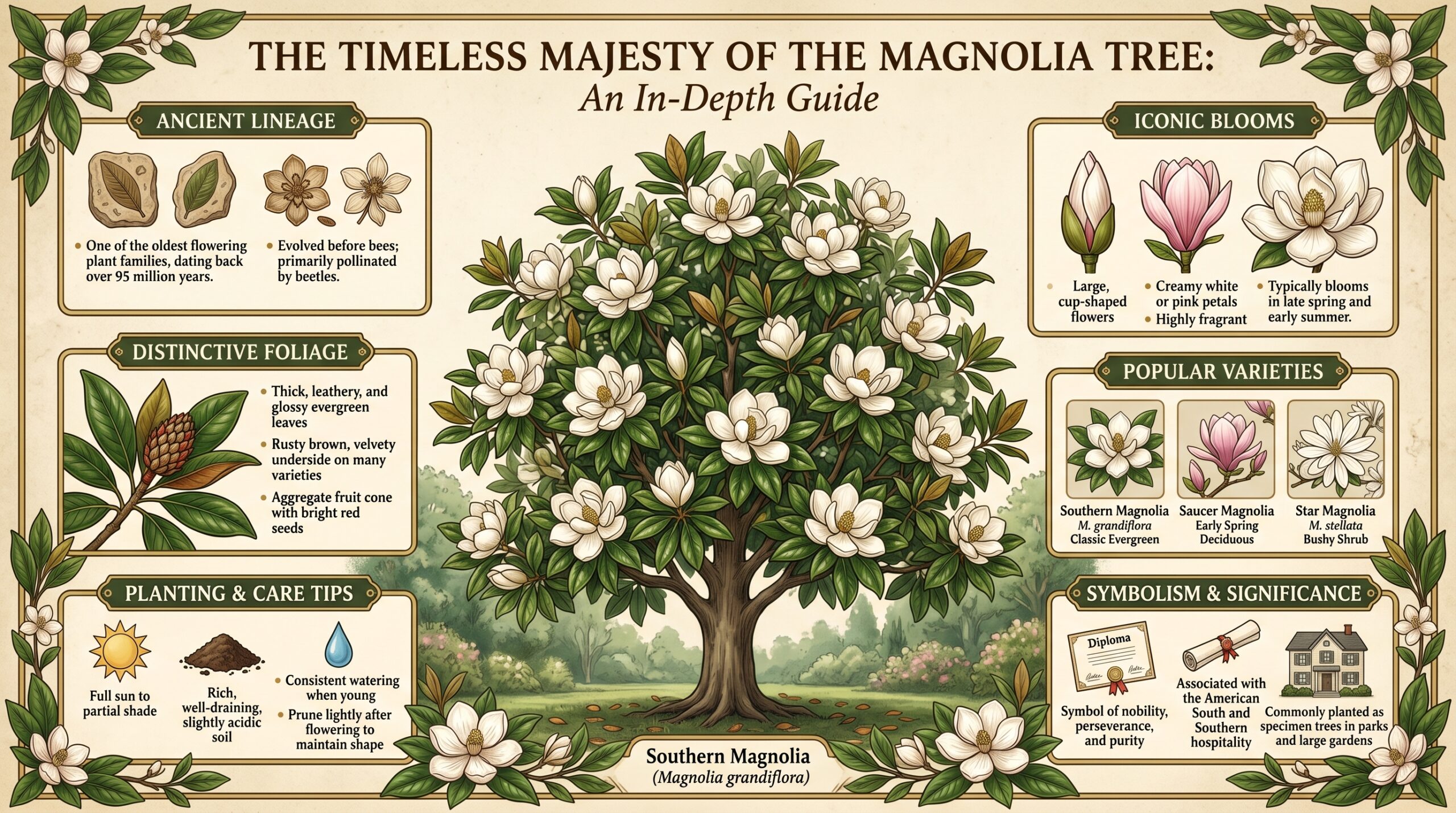
Magnolias are among the most primitive flowering plants still in existence. Fossil records indicate that plants belonging to the Magnoliaceae family appeared on Earth approximately 95 million years ago.
Evolution Before the Bee
Because Magnolias evolved before bees existed, their flowers are biologically designed to be pollinated by beetles. This is why Magnolia petals are notably tough and leathery; they had to withstand the clumsy crawling and chewing of ancient beetles without being destroyed.
Global Distribution
While many associate Magnolia Tree with the Mississippi Delta or South Carolina, they are indigenous to two primary regions: East and Southeast Asia and the Americas (from North America down through the West Indies and Central America).
2. Diverse Varieties: From Giants to Shrubs
There are over 200 species of Magnolia Tree ranging from towering evergreens to delicate, deciduous shrubs. Choosing the right one depends entirely on your climate and available space.
The Southern Magnolia Tree (Magnolia grandiflora)
The heavyweight champion of the genus. This evergreen giant can reach heights of 60 to 80 feet. It is famous for its “bull bay” leaves—thick, waxy, and deep green with a rusty-brown underside—and its dinner-plate-sized white flowers that emit a heavy, lemony scent.
The Saucer Magnolia (Magnolia × soulangeana)
Often called the “Tulip Tree,” this is a deciduous hybrid. In early spring, before the leaves appear, the branches are smothered in large, goblet-shaped flowers that range from white to deep pink and purple.
The Star Magnolia Tree (Magnolia stellata)
Ideal for smaller urban gardens, this slow-growing deciduous shrub produces white, star-shaped flowers. It is one of the hardiest varieties, often blooming in late winter or very early spring.
The Sweetbay Magnolia Tree (Magnolia virginiana)
A more subtle relative, the Sweetbay is semi-evergreen and loves moist, acidic soil. Its flowers are smaller and have a distinct vanilla-like fragrance.
3. Botanical Characteristics
To appreciate the Magnolia, one must look closer at its unique biological makeup.
-
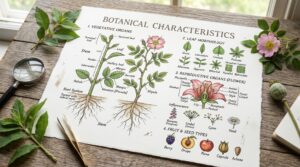
The Flowers: Magnolia flowers are “perfect,” meaning they contain both male and female reproductive parts. They lack distinct sepals and petals; instead, they have tepals—fused structures that give the flower its sturdy, sculptural look.
-
The Foliage: Evergreen varieties offer year-round privacy with dense, opaque canopies. Deciduous varieties often provide brilliant yellow or bronze fall color.
-
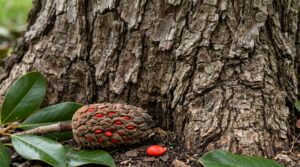
The Fruit: After the petals fall, Magnolias produce cone-like seed pods. As they mature, they burst open to reveal bright red or orange seeds that are a favorite for local bird populations.
4. Planting and Site Selection
Magnolias are long-lived, but they are notoriously finicky about being moved. Success starts with picking the “forever home” for your tree.
Sunlight Requirements
Most Magnolias thrive in full sun to partial shade. In hotter climates, some afternoon shade can prevent the leaves from scorching, but too much shade will result in fewer blooms and a leggy appearance.
Soil Preferences
-
Acidity: Magnolias generally prefer slightly acidic soil ($pH$ 5.5 to 6.5).
-
Drainage: They loathe “wet feet.” While they like moisture, the soil must drain well to prevent root rot.
-
Space: Given their potential size and wide-reaching root systems, do not plant large varieties too close to foundations or sidewalks.
5. Care and Maintenance
Once established, Magnolias are relatively low-maintenance, but they do require some specific attention in their early years.
Watering
Young trees need deep watering twice a week during the first two growing seasons. Established trees are moderately drought-tolerant but will appreciate supplemental water during extreme summer heatwaves.
Fertilization
Avoid fertilizing at the time of planting, as this can burn the sensitive roots. Once the tree is established (usually after a year), apply a balanced, slow-release fertilizer in early spring just as the buds begin to swell.
Pruning
Magnolias rarely need pruning except to remove dead or damaged wood. If you must prune for shape, do so immediately after the tree finishes blooming. Pruning too late in the summer or fall will remove the buds for next year’s flowers.
6. Common Challenges: Pests and Diseases
While generally hardy, Magnolias aren’t invincible.
-
Magnolia Scale: These are small, bumpy insects that suck the sap from branches. They secrete “honeydew,” which can lead to black sooty mold.
-
Leaf Spot: Fungal or bacterial spots can appear during wet, humid summers. While unsightly, they rarely kill a healthy tree.
-
Late Frost: The greatest “enemy” of the deciduous Magnolia is a late spring frost, which can turn beautiful opening buds into brown, mushy disappointments overnight.

7. The Symbolism of the Magnolia
Beyond the garden, the Magnolia carries deep cultural weight.
-
Strength and Endurance: Because the species has survived for millions of years, it symbolizes longevity and perseverance.
-
Purity and Dignity: In the Victorian “language of flowers,” Magnolias represented nobility and a love of nature.
-
Southern Identity: It is the state flower and state tree of Mississippi, and the state flower of Louisiana, deeply embedded in the hospitality and aesthetic of the American South.
8. Conclusion: Why Plant a Magnolia Tree?
Planting a Magnolia is an act of optimism. It is a tree that grows with grace, provides cooling shade, and offers some of the most breathtaking floral displays in the botanical kingdom. Whether you have a sprawling estate or a small patio, there is likely a Magnolia variety that will bring a touch of ancient elegance to your home.